Spring is officially here and Monmouthshire County
Council’s grounds team are about to start preparing the county’s open spaces
for the year ahead.
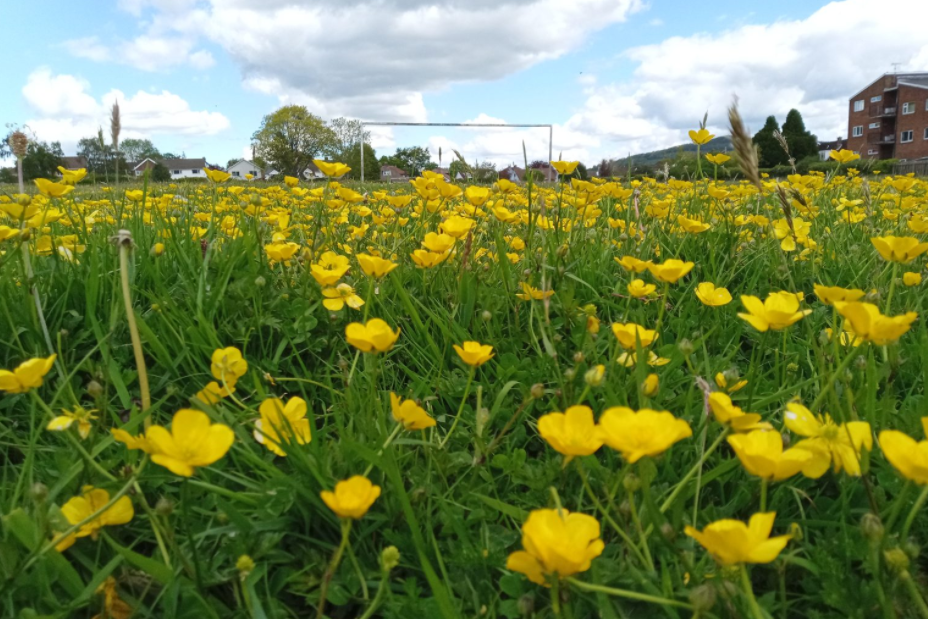
At the end of last year, the council’s team left some areas
for hibernation sites for insects, left seed heads for winter food, as well as
other wildlife-friendly considerations. Now, as we head towards summer, the
council will be following the selective mowing regime that was such a success
last year. This will start with a ‘first’ cut that will see most areas mown to
reset the grassland. After this, successive mowing will follow the Nature Isn’t
Neat principles to make space for wildlife and pollinator plants in open spaces
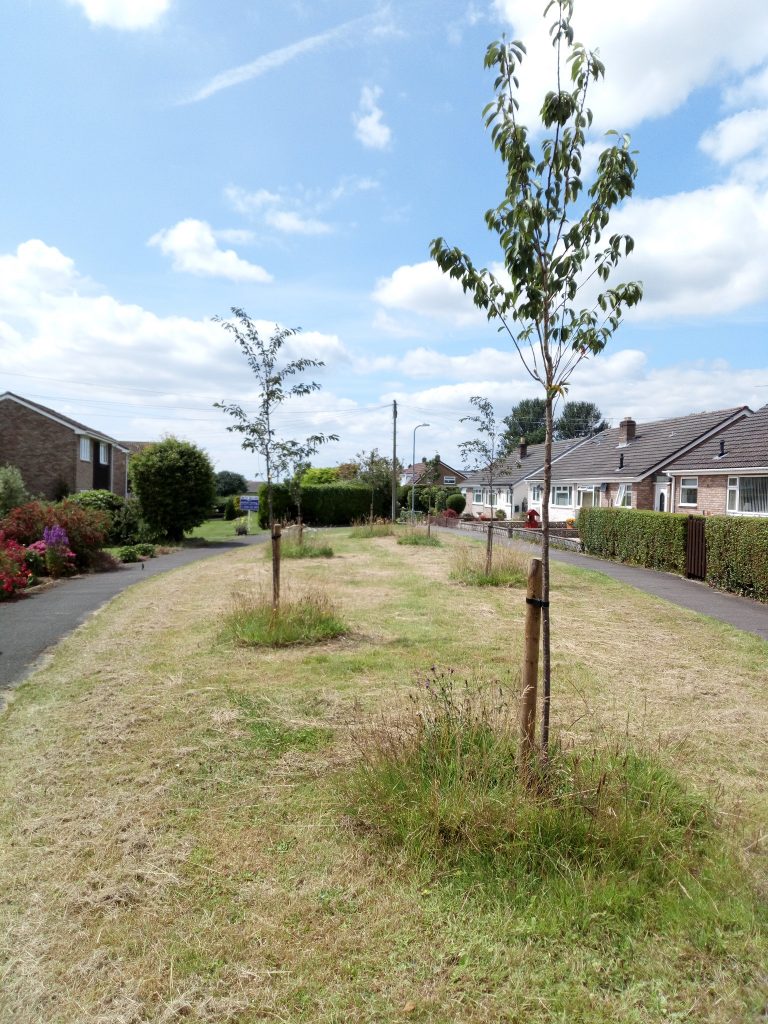
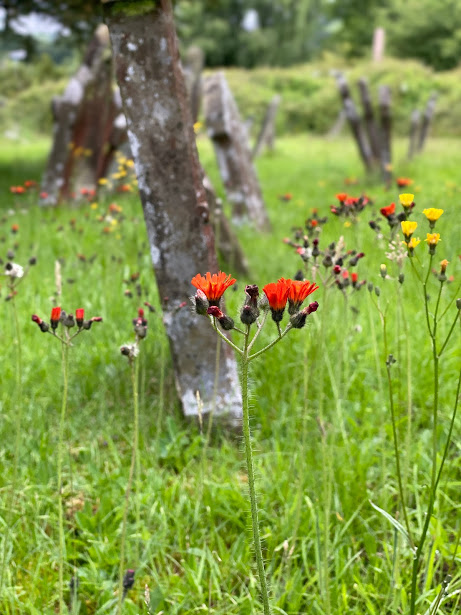
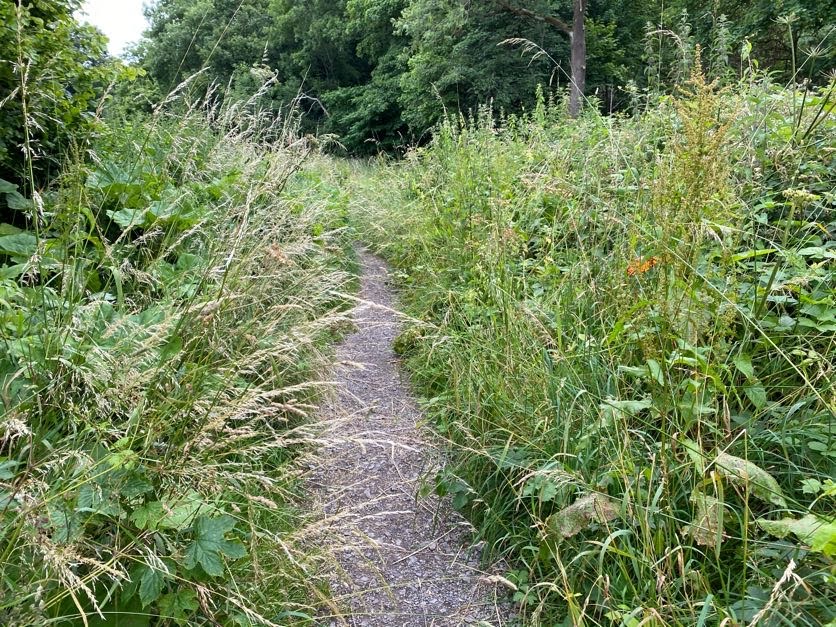
across Monmouthshire. This includes not mowing under trees (which will reduce
stress and disease), creating meadow spaces throughout our open spaces and road
verges. Some areas will be cut less frequently or on rotation, and some
areas will be left until late summer or early autumn to allow the grasses and
flowers to set seed.
A
spokesperson for Monmouthshire County Council said: “The feedback we received
about Nature Isn’t Neat showed overwhelming support of the approach and offered
some valuable insights on what was working well and where we can improve.
Taking account of this feedback, discussions with our operational crews and the
reduced impact of Covid on our ability to manage the work, residents will see
some changes to the mowing this year compared to the last two years and we will
continue to take feedback, and we will continue to make sure that play areas
and sports pitches are cut to the full extent.”
Nature
Isn’t Neat is an important part of the council’s response to the biodiversity
crisis and climate change. The management principles help pollinators and other
insects to thrive. This in turn supports other wildlife and improves long
term food security. The changes in management also increase the amount of
carbon drawn down into the soils and increases the ability of open spaces to
absorb water, reducing runoff, flooding and pollution and makes our environment
more resilient.
While most council owned green spaces will receive the
Nature Isn’t Neat approach, some areas are owned by housing associations and
not all of these have adopted the Nature Isn’t Neat approach, although they are
mown by the council under contract. It is hoped that more organisations will
get onboard with the selective mowing regime through the support of the
regional Nature isn’t Neat project, and help the county’s mission to improve
biodiversity and support wildlife.
If
you would like to get involved, a new Nature isn’t Neat survey will be launched
in May, Monmouthshire want to know what you think about its approach to ensure
the right balance is maintained between nature and recreation. For more
information visit: www.monmouthshire.gov.uk/nin/ and www.monlife.co.uk/outdoor/nature-isnt-neat/o.uk/outdoor/nature-isnt-neat/
or follow @MonmouthshireCC and @Natureisntneat on social media channels.
The Gwent Green Grid Partnership, a new
ground-breaking project, aims to improve and develop green infrastructure – a
term used to describe the network of natural and semi-natural features, green
spaces, rivers and lakes that intersperse and connect villages, towns and
cities – as well as provide green job opportunities within the area.
Green infrastructure has a crucial role to play in addressing nature, climate
change and health emergencies.
Monmouthshire County Council, working
with Blaenau Gwent, Caerphilly, Newport and Torfaen councils as well as Natural
Resources Wales, Forest Research and the Severn Wye Energy Agency, leads the
partnership. The organisations will work together to ensure that the
area’s natural resources are healthy, resilient to pressures and threats and
thereby better able to provide vital health and well-being benefits for current
and future generations.
The Gwent Green Grid Partnership will
bring to life the Gwent Public Service Board’s commitment to implementing the
Well-being Of Future Generations (Wales) Act and the Environment (Wales) Act
through improved collaboration with partners, involving local citizens and
delivering across all seven well-being goals.
The project will deliver a range of
well-being benefits for local communities and plans to make improvements to
green spaces, urban and country parks, cycleways and public rights of
way. It will facilitate better woodland management and creation and take
action to protect and enhance vital habitats for pollinators. The
partnership will also explore better management of natural spaces to
provide opportunities which deliver preventative health-focussed activity.
Councillor Lisa Dymock, Monmouthshire’s
cabinet member with responsibility for green infrastructure said: “I very much
welcome the establishment of the Gwent Green Grid Partnership, bringing
together Gwent’s local authorities and three other organisations to protect and
improve our natural environment while providing opportunities for the area’s
communities.”
The project is supported by the European Agricultural Fund for Rural Development: Europe Investing in Rural Areas and is funded by the Welsh Government’s Enabling of Natural Resources and Well-being Grant.
For more information about this partnership, click HERE.
As part of our Green Infrastructure (GI) service, the Gwent Green Grid Partnership has contributed to many of the milestones outlined in the following report:
Get on your walking boots for the Rambling challenge 2021
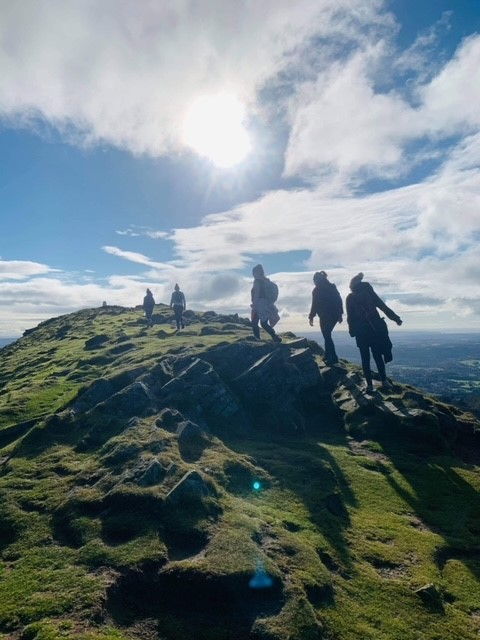
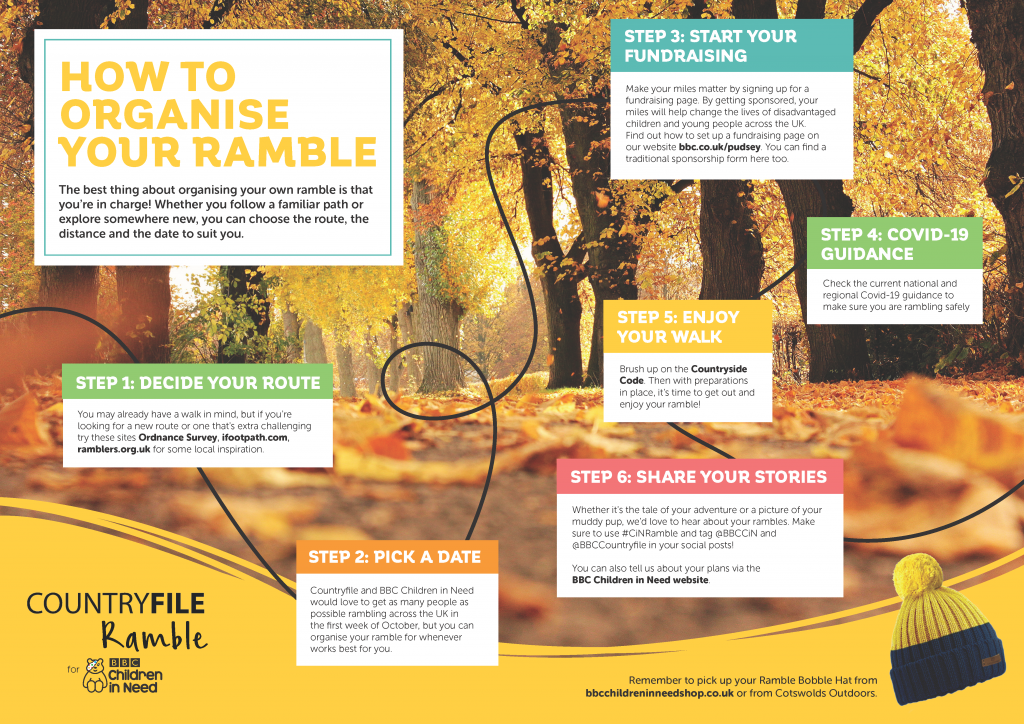
Last autumn the Countryside Access Team and many others in Monmouthshire CC, undertook sponsored walks to raise money for BBC children in need. This year, on Friday 8th October, the Countryside Access Team are undertaking their team meeting, whilst walking through Castle Meadows and along the canal. Usually the team has its meetings on Microsoft Teams, but this time we are going to walk and talk. At the end we shall all generate some money in aid of Children In Need. We are looking forward to getting some fresh air, enjoying the autumn colours and seeing each other “in real life” again!
We’re challenging other teams in Monmouthshire to do the same, so get out and have one of your meetings whilst walking!!! … Who can find the best view, picnic spot or project to visit? Go that extra mile, put your boots on to energise your team and help children in the UK. Don’t forget to tag us in @MonLifeCountryside or @MonLife on Facebook and @MonCountryside or @MonLifeOfficial on Twitter. We’d love to see how you got on!
Why Walking Meetings?
“All truly great thoughts are conceived by walking”
Friedrich Nietzsche
Nothing will feel better than
venturing out after an intensely focused morning at a desk. Walk and talk
with your team members about some ideas they have for new or existing
projects. We have all had over a year now of Teams meetings. Take
advantage of our beautiful landscape and getting outside can clear your head.
Get some exercise and engage in our favourite type of discussion – the walking
meeting. Walking meetings are particularly useful when decision making,
team building and bonding are of critical importance. They also enhance
creative thinking. The casual nature of walking and talking helps people
let their guard down and ideas held back on Teams come spilling out. A
study published in the European Journal of Development Psychology found both
children and adults performed a memory exercise better while walking than
sitting.
“The greatest mental benefits of walking are explained not by what it is, but by what it isn’t. When you go outside, you cease what you are doing, and stopping trying to achieve something is often key to achieving it…And in some hard-to-specify way, even the distractions of walking – traffic noise, bird song, people – seem to help”.
Oliver Burkeman
We all spend too much time seated at our desks. Regular movement is essential to our well-being. One study has found that 12 minutes of walking can increase happiness, vigour and attentiveness significantly more than time spent sitting.
Tips for organising a walking meeting:
Though walking meetings are fairly self-explanatory, the following preparations can make them more fruitful:
– Those with, or who live with anyone who has Coronavirus symptoms, should stay at home.
– Let everyone know in advance where to meet, how long you will be outside and to wear suitable clothing.
– Make sure you choose a venue which you can all easily get to.
– Plan your route. Choose a venue where you can walk in a circuit to get back to the start and is not too strenuous or adventurous. A simple walk around a park, wood or greenspace is good for walking/talking meetings.
– Check what the weather will be like.
– Wear appropriate warm clothing and shoes.
– Bring snacks, a flask of coffee or other drink!
– Take regular stops so you can as a group discuss items together.
– Walk slowly, at a pace suitable for all and encourage everyone else in team to do the same.
– Breath and encourage mindfulness.
– Review relevant documents: know your meetings objectives and glance over supporting information beforehand. Don’t forget to share any necessary information with participants.
– Use your smart phone to take voice notes and take follow up notes.
– Take a photo to use at your next Teams meeting.
– Use the environment to illustrate points, have a laugh and be proud that you did it together as a team.
Monmouthshire
and Newport Local Nature Partnership has been established to build on the
successful work of the previous Newport Biodiversity Partnership and extended
coverage of coordinated action for nature to include the neighbouring county of
Monmouthshire. Moving to a single, joint-authority Partnership will
deliver projects and share expertise to promote action for nature and will
allow the partnership to work at a larger than county scale and deliver more
for wildlife and people.
The
Monmouthshire and Newport LNP will carry out informed and targeted local nature
recovery action to deliver multiple benefits, including contributing to
well-being objectives and supporting a Green Recovery from the COVID-19
pandemic by providing expert advice and support and ensuring the best action is
carried out in suitable locations to provide multiple benefits for people and
wildlife.
The partnership
has been strengthened by the Local Nature Partnership (LNP) Cymru project which
is a nationwide network of partnerships covering every local authority and
National Park Authorities in Wales, collectively constituting the LNP Cymru
network. The project is funded by Welsh Government via the Enabling
Natural Resources and Wellbeing Grant (ENRAW) which started in 2019 and will
run until 2022.
The
Monmouthshire and Newport LNP includes a broad range of partners including
statutory bodies, public bodies, environmental charities, friends of and
community groups, academics, wildlife recorders and interested members of the
public. The partnership also works in alignment with the regional Area
Statement and the Natural Resources Wales people and places teams.
The role of the
LNP Coordinator (Sali Palmer) and Support Coordinator (Lucy Arnold-Matthews) is
to establish local priorities for action and compile a Local Nature Recover
Action Plan (NRAP). The partnerships input in to other strategies and plans and
will run events and activities raise awareness, highlight locally distinct
nature based culture and participation in citizen science projects.
The LNP has
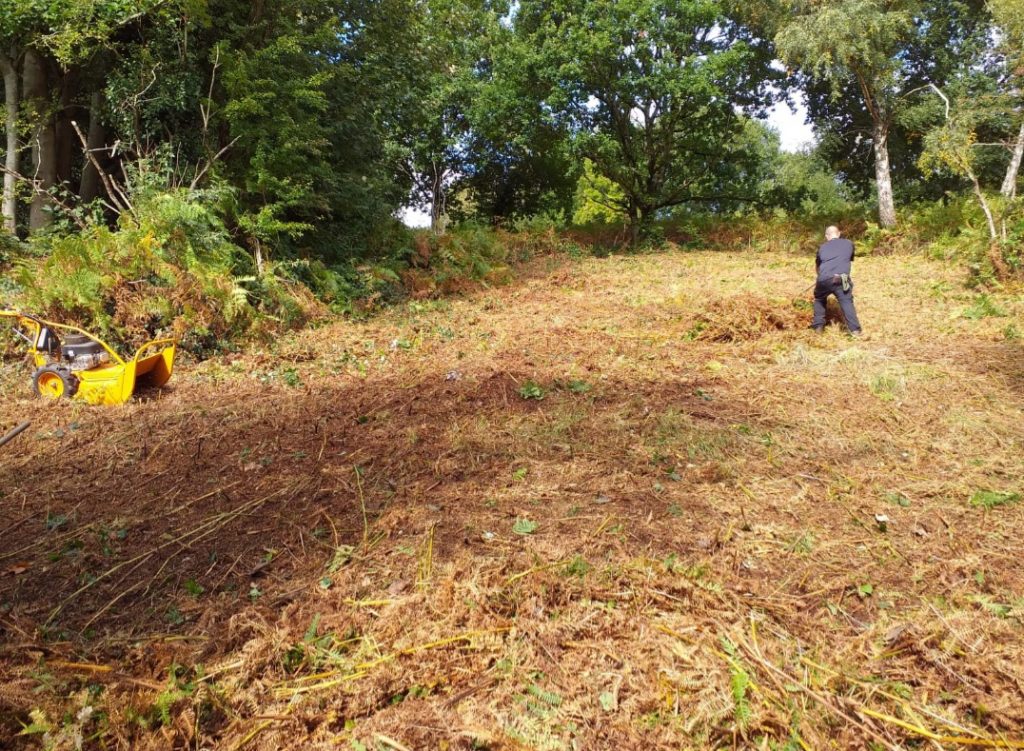
already supported a project at Barrack Hill Site of Importance for Nature
Conservation to restore the grassland and woodland at the site which will enhance
the area’s ability to support nature recovery. There has been increased active
conservation management, communication and engagement with local residents.
Local residents will have better accessibility to well-managed, high quality
natural green space which improves and supports health and well-being.
In
Monmouthshire, the LNP have supported the Neglected Grasslands project
restoring grasslands in three publicly accessible sites in Abergavenny, which
have become even more important to the local communities during the recent
coronavirus crisis.
Deputy Leader of Monmouthshire County Council, Councillor Richard John said: “I’m delighted to announce this collaborative venture aimed at protecting one of our most important assets – nature. We have a wealth of beautiful wildlife across Gwent which helps our county thrive. This initiative is just another excellent piece of work ongoing in Monmouthshire to protect our natural environment, to ensure we can continue enjoying the benefits it creates for generations to come.”
Cllr Roger
Jeavons, deputy leader of Newport City Council, said “We’re pleased to be
partnering with our neighbours in Monmouthshire on this exciting project. The
new local nature partnership allows us to expand our biodiversity work, and
will deliver wider benefits for wildlife and people within our two counties.”
ENDS
Notes
to editor:
The
Local Nature Partnership is a vital resource in enabling public authorities to:
Play a
part in nature recovery through increasing ecosystem resilience and
restoration.
Act as
a delivery mechanism to help address climate emergency commitments through the
use of nature-based solutions.
Contribute
to meeting the Biodiversity & Ecosystem Resilience (Section 6) Duty under
the Environment (Wales) Act 2016.
Contribute
to the Well-being for Future Generations (Wales) Act 2015 duties including
delivering objectives of the well-being plan.
Harness
technical expertise and evidence to input into plans and relevant strategies
e.g. Green Infrastructure Assessments and strategies.
Increase
capacity to engage and recruit volunteers, businesses and non-traditional
groups in nature recovery.
Flexibly
work at the appropriate scale; regional, landscape, ward-level and individual
site level.
Cross-boundary
working between LNPs is facilitated by the Wales wide approach.
The
local NRAP for Monmouthshire and Newport, will convey the aims of Wales-wide
plan to: embed biodiversity through decision making at all levels; safeguard species
and habitats of principal importance for species conservation; increase
ecosystem resilience by restoring degraded habitats and new habitat creation;
tackle key pressures on species and habitats; and, improve our evidence,
understanding and monitoring.
Engaging
with the LNP will help people, communities, public bodies, and businesses in
Monmouthshire and Newport to reap a diverse range of environmental, social,
economic, and cultural benefits based on collaborative nature recovery. Through
the project we will aim to make more organisations and people are aware of the
extent, and role, of the local nature on their patch. More nature recovery
projects will benefit from specialist data, advice or support. More
partner organisations will be engaged in LNP activities. More people will be
able to access, contribute to and benefit from nature-based activities.
Nature recovery and the benefits provided will be embedded in to local and
national policies and decision-making at all levels.
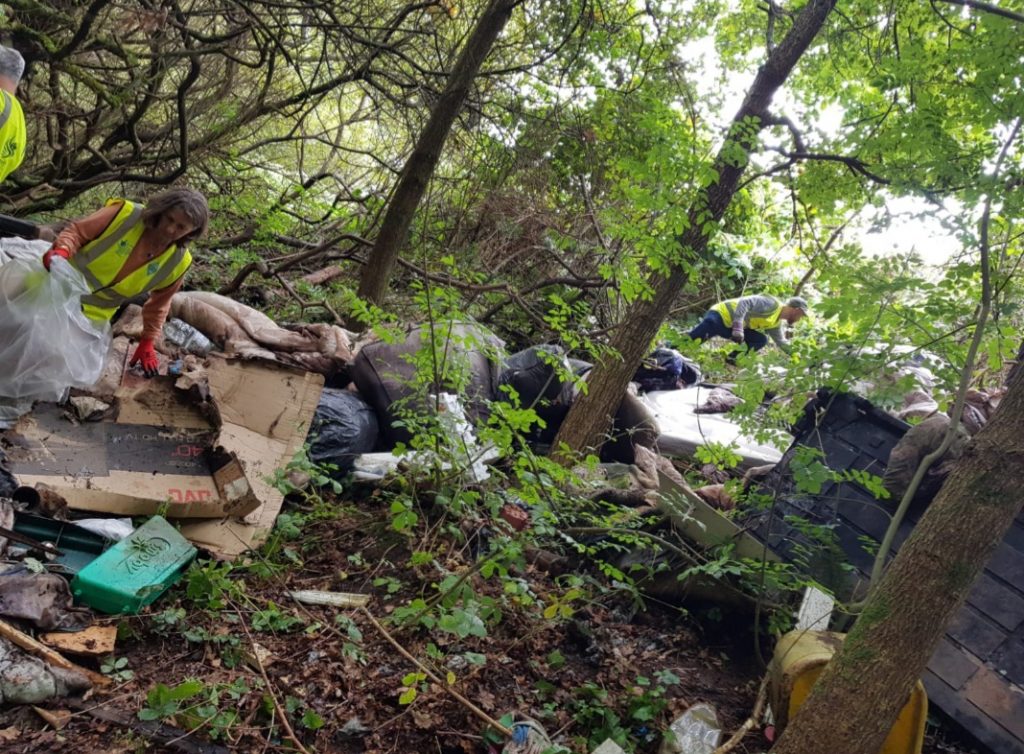
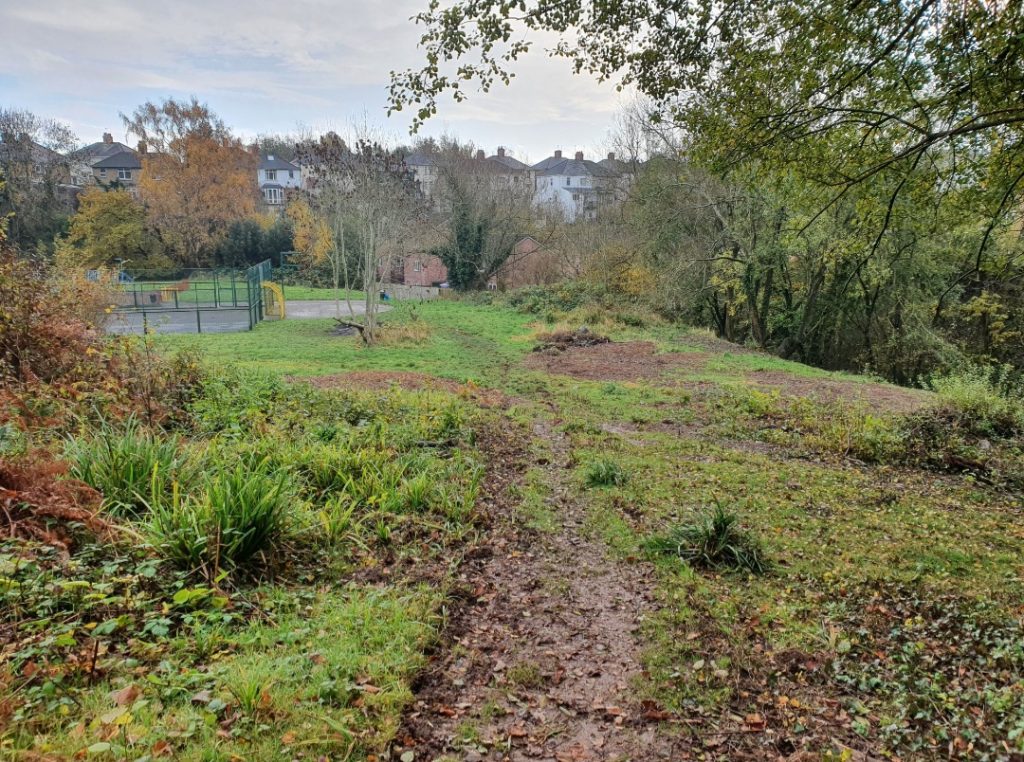
Barrack
Hill SINC is located in a northern suburb of Newport and designated for its
large mosaic of semi-improved wet and dry natural grassland, scrub, bracken and
woodland. Neighbouring a small open space which boundaries a
large housing estate managed and owned by Housing Associations, the site is badly affected by
invasive non-native species and fly-tipping. The LNP supported project to
restore the site will enhance the area’s ability to support nature recovery,
through increased active conservation management, communication and engagement
with local residents. Local residents will have better accessibility to better
managed, high quality natural green space which improves and supports health
and wellbeing, which will lead to positive and responsible use by the community.
The
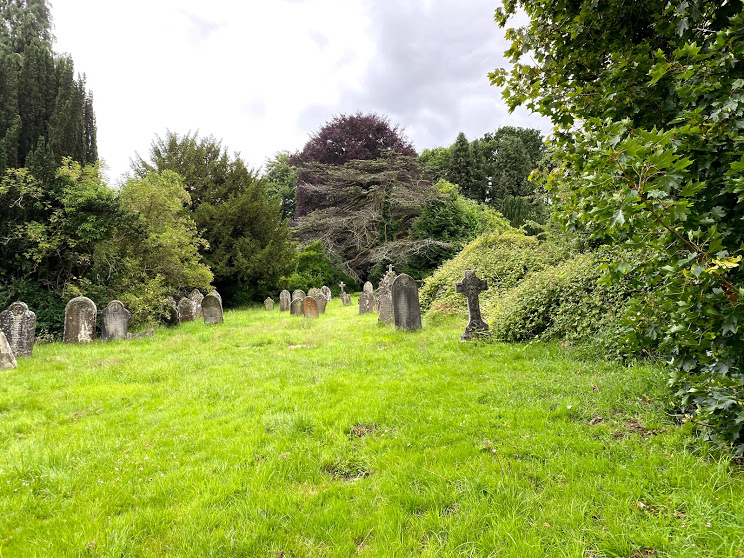
three publicly accessible sites in Abergavenny are at Ross Road, Ostringen
Close and Old Hereford Road Cemetery; they have become neglected with poor
management and large areas of species-poor scrub (predominantly bramble and
snowberry) encroachment. The scrub encroachment reduces the land available for
the priority grassland habitats. The project will remove scrub, invasive
species and carry out tree works, as well as agreeing appropriate grass
management regimes going forward. At the old cemetery, works have an
additional heritage benefit as scrub will be removed from around monuments
currently completely obscured by bramble.
Figures from our counters show that there has been a dramatic increase (400% on Wales Coast Path) in the use of our sites and public rights of way since lockdown. Unfortunately, this increased usage has also come at a price of a rise in anti-social behaviour with more litter and problems with dogs. We are working on a campaign to promote responsible behaviour and safe outdoor recreation with Brecon Beacons National Park, National Trust, Cadw and Welsh Water. To help Natural Resources Wales have launched a new countryside code.
Only 1 route in Monmouthshire remains closed under COVID regulations but remains under constant review. Our web page “Stay Active, Stay Safe” is being constantly updated to reflect any changes. We have also updated our website to include the final Countryside Access Improvement Plan, our Delivery Plan and Countryside Access Policy, Protocol and Operational Management Report.
With our colleagues in Highways and Planning, Countryside Access is working in partnership with the National Trust and we are promoting the use of Fairfield Car Park in Abergavenny as an alternative to the Llanwenarth car park, to seek to minimise issues at that honeypot arrival point. The National Trust is finalising a new Sugar Loaf path guide to assist. Also, waymarkers have been sprayed on the pavements for the public to follow. The team has been busy inspecting and ensuring our promoted routes are safe to use and we are pleased that we have now been able to assist The Narth Footpath Group to restart its activities to help with this. “Friends of Castle Meadows” have also returned and increased their usual task days, carrying out essential hog weed surveys and other environmental tasks. Their work has contributed to Castle Meadows Countryside Site in Abergavenny, being awarded a coveted Green Flag Award.
We are pleased to announce that we have been awarded a new improvement grant, by Welsh Government, of £83,412. The funding is being spent on materials for Penallt Volunteer Group to improve paths which will then help them promote a series of local walks. A new bridge and signage improvements are also being purchased to provide a new circular route in Llanfair Kilgeddin. Other funding is being spent to improve accessibility on routes at Llanbadoc, Undy and Rogiet Country Park, along with a new recycled boardwalk at Mathern and Shirenewton. Other funding for on-going maintenance and improvement projects has also been obtained for the Wales Coast Path and Offa’s Dyke Path National Trail and also for two Active Travel projects. Watch out for more information on these projects in next month’s newsletter and on social media as they evolve.
“Many thanks for enabling our Footpath Group to restart its activities. We had a good first working group on Friday with five volunteers and the new arrangements worked very well. Thank you for keeping them straightforward and practical and trusting us to get on with the job.
We have plenty more work to do over the coming months and look forward to when we might be able to set up some working groups with the wardens again to deal with some of the bigger tasks.”
Undy Primary school were one of the last school groups to attended Gilwern Outdoor Education Centre before the lockdown restrictions were introduced. 44 smiling faces appeared on Wednesday morning full of anticipation and a dash fear about the adventurous program Mr Jones and I had planned and for many the first few nights away from home. Caving, canoeing, forest skills and a session in the high ropes were planned over the two and a half-day residential so it was busy from the start.
Beds made, sandwiches packed, equipment issued and they were off to the beautiful locations that surround the centre and over the next few days’ memories and experiences are made that stay with you for a lifetime. I can always tell how a school group is engaging by the instructors’ feedback and as normal Undy were fantastic. The staff pride themselves on supporting and encouraging individuals when it’s needed but also allowing those who require that extra challenge the chance to test their abilities. For one young person just putting on the climbing harness and being on the wall is a massive achievement as is racing to the top as many time as possible for another. This is where the skill and experience of the staff are required and that’s why when outdoor learning is done correctly, it’s so positive for the development of pupils and translates back into the classroom and life. I look forward to the day when we can start delivering adventurous outdoor activities and seeing those smiling faces again.
The Adventurer seeker “I enjoyed this trip it showed that I could do much more than my belief. The caving was very fun because I can challenge myself, forest fun was good because I could learn to survive and canoeing was fun because we learnt how to save someone if their boat sunk. All around Gilwern was a life-changing experience. I am very thankful that we went. I enjoyed caving the most because I learnt not to give up and I tried things that I hadn’t done before”