Case Studies – Monlife

Supporting Independence and Well-being Through Community Services

Background

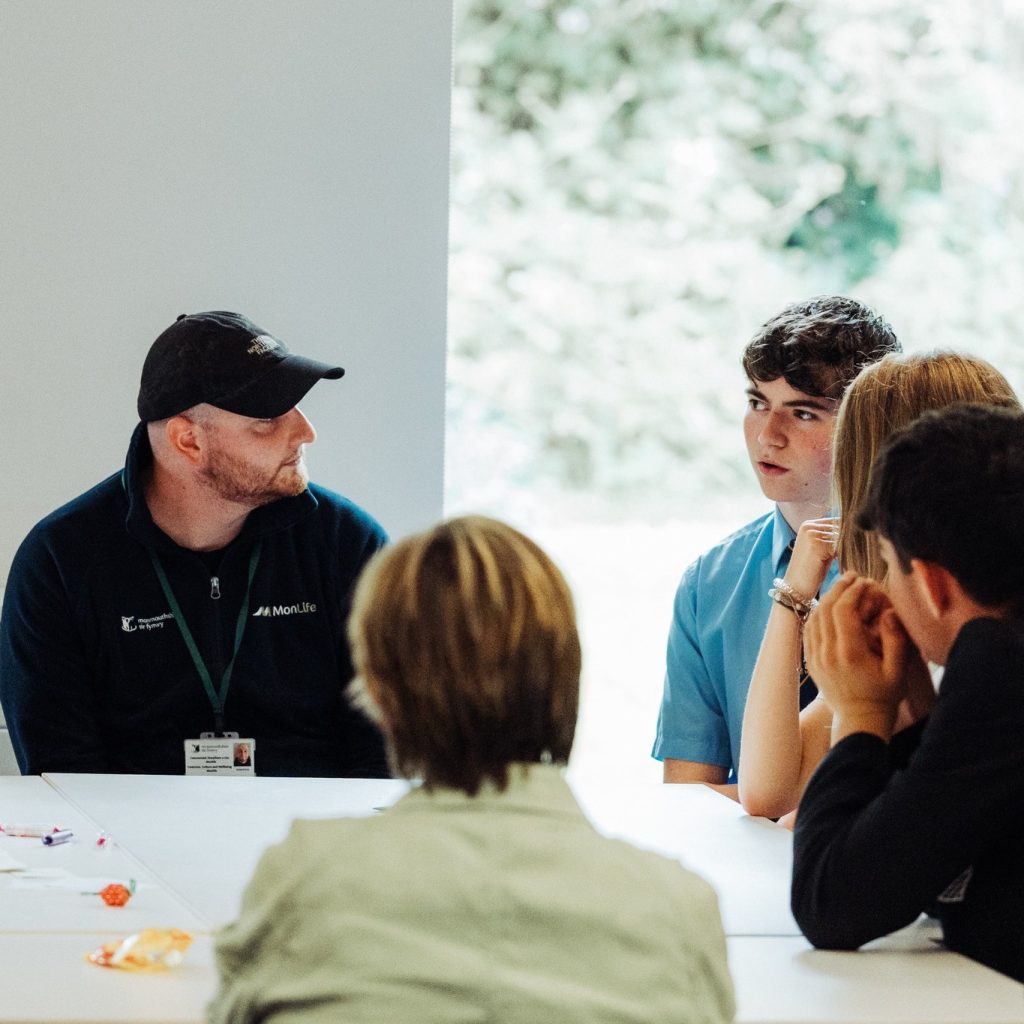
During a routine hub drop-in session at Caldicot Library, a local resident visited to express frustration about her bin collection service. Initially, her concern seemed straightforward—difficulty managing waste disposal due to health limitations. However, a deeper conversation revealed broader challenges affecting her daily life and well-being.

Challenges Identified

– Mobility Issues: Due to health conditions, the resident found it difficult to manage tasks like taking out the bins and traveling independently.
– Social Isolation: With no close family nearby and limited public transport, she often felt isolated and hesitant to rely on neighbors.
– Access to Services: Poor bus links made it a two-hour round trip to reach the village, limiting her access to healthcare and social opportunities.
– Financial Strain: Managing the cost of living on a limited income added to her stress and reduced her quality of life.

Support Provided

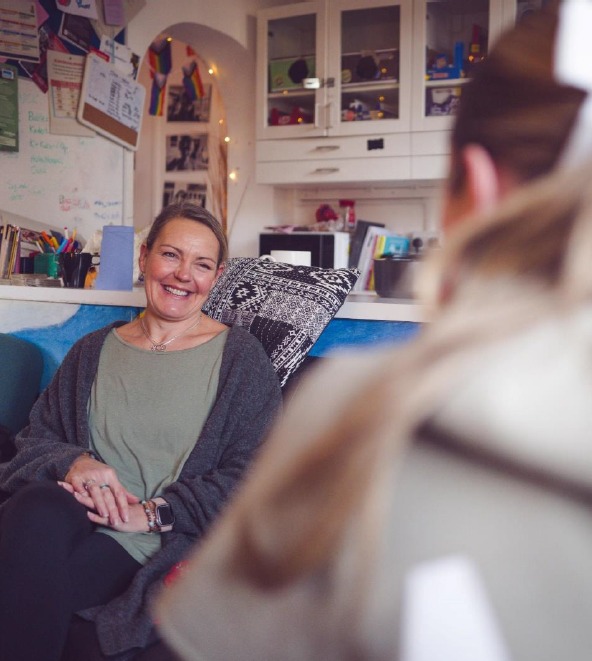
Through a warm, informal conversation over tea, several support options were introduced and initiated:
1. Car Scheme: Enabled her to attend medical appointments, go shopping, and participate in social events, significantly improving her mobility and independence.
2. Assisted Bin Collection: Reduced her reliance on neighbors and allowed her to manage her home more independently.
3. Local Community Groups: Helped her build new relationships and reduce feelings of loneliness through regular social interaction.
4. Befriending Scheme: Weekly phone calls provided companionship and a sense of routine, offering emotional support and connection.
5. Cost of Living Support (Pension Credit): Financial assistance helped her manage daily expenses, improve nutrition, and participate in social activities.

Outcomes

The support provided led to significant improvements in the resident’s quality of life. With better access to transport and home services, she regained a sense of independence and control over her daily routine. Social connections through community groups and befriending calls helped reduce isolation and improved her emotional well-being. Financial assistance eased daily pressures, allowing her to focus more on her health and social life. Together, these changes contributed to a more active, connected, and fulfilling lifestyle.
Empowering Communities Through Coordinated Cost of Living Support

Background

In 2024–2025, Monmouthshire County Council’s Community Development Team led a series of initiatives aimed at tackling poverty and supporting residents through the cost-of-living crisis. These efforts included hosting events, distributing resources, and delivering targeted support to individuals and families in need. One such example is the case of a young mother, referred to here anonymously, who accessed life-changing support through a Cost-of-Living event.

Challenges Identified

The resident, a mother of a child with additional learning needs, found herself at risk of homelessness after a relationship breakdown made her housing unaffordable. She was also facing harassment and eviction attempts from her landlord. Her situation was compounded by financial hardship and a lack of immediate support networks.

Support Provided

She attended a Cost-of-Living event organized by the Community Development Team, where she connected with a member of the Gateway Team. This initial contact led to a coordinated response involving five internal council teams and four external agencies. Support included homelessness prevention and temporary accommodation, legal advocacy resulting in the landlord’s prosecution, income maximization and rent top-up assistance, and securing a new, safe home for her and her child.

Beyond individual cases, the Community Development Team’s broader initiatives included hosting 10 major events (including 4 Cost of Living and 6 Pension Credit sessions) with over 30 partner organizations, supporting 30 Warm Spaces attended by 700+ residents, distributing 100 Warm Packs and over 10,000 support flyers, delivering 32 financial well-being sessions in schools, launching the Period Dignity initiative, reaching all Monmouthshire schools and 89 community organizations, providing 360 meal kits and operating 5 community fridges with up to 540 weekly visits, and establishing the Monmouthshire Food Action Network to strengthen local food security.

Outcomes

The impact of these efforts has been transformative. This case illustrates how a single point of contact at a community event can trigger a cascade of support, leading to safety, stability, and renewed hope. More broadly, the initiatives have empowered over 1,000 residents, improved food access, reduced social isolation, and enhanced financial resilience across the county. The collaborative, cross-sector approach has proven essential in addressing both immediate needs and long-term challenges related to poverty and inequality.


The Impact of MonLife Learning on People Living with Dementia and their Carers

Project Overview:

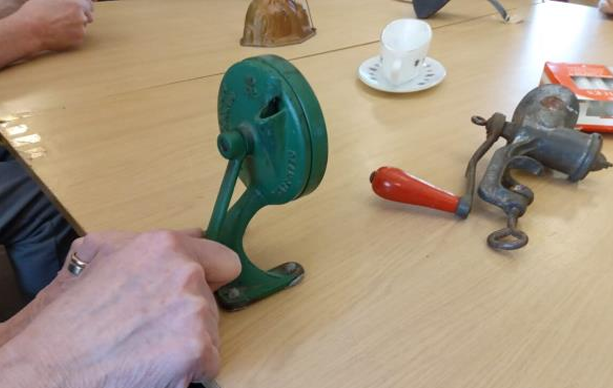
MonLife Heritage Learning runs a number of facilitated outreach programmes that use social history and historic objects from their handling collections to encourage social interaction, improve wellbeing and raise confidence levels. The service also delivers volunteer training in using objects for reminiscence and self-led reminiscence resources for use in residential care settings.

Key Objectives:

▪ Improve wellbeing. 

▪ Reduce social isolation.

▪ Improve confidence and self-esteem.

▪ Provide community-based activity.

Project Outputs/Outcomes

The dementia-related projects have proved invaluable in reaching both individuals living with dementia and their family caregivers or occupational therapists. Outreach provision has ensured the service is accessible, using their collections to enhance wellbeing.

A Holistic Approach

To offer a unified approach to supporting people living with dementia, museum staff obtained funding from the Aneurin Bevan University Health Board (ABUHB) to partner with the National Exercise Referral Scheme (NERS). This enabled participants to increase their physical activity for an hour a week, over a ten-week period. Afterwards, the Heritage Learning Service provided themed reminiscence sessions, object handling and a craft-based activity.

Creative Conversations

‘Creative Conversations’ is a weekly programme located at Cadw’s Caerwent Roman Town. It provides activity for people living with Dementia and their carers. On alternate weeks, participants engage in a reminiscence activity and historic object handling. This allows opportunities for conversation and new learning. Following each reminiscence and handling session, a related craft is offered, providing focus and relaxation opportunities.

The programme was shaped around the interests and experiences of participants who complete a personal questionnaire entitled ‘This is me’ at the beginning of the programme. This person-centred approach enables participants to ‘be the expert’ on a particular subject, which has proved invaluable for confidence and self esteem.

Volunteer Reminiscence Scheme

A wide selection of reminiscence boxes can be hired out by care workers or used by the learning service volunteers. A training programme for community volunteers has been developed to aid 7 capacity, so that resources can be taken out to care homes and used in memory cafés in community venues. The first training session was delivered in February 2024 to 14 volunteers and was supported through ‘Be Community Monmouthshire’, a Monmouthshire County Council community leadership programme. Volunteer training includes how to use museum objects as prompts/triggers for encouraging the sharing of life experiences, why museum objects are valuable in reminiscence work, the benefits of reminiscence for the participant, safeguarding and how to safely facilitate a reminiscence session.

Health and Wellbeing

Through observation, attendance, impact cards and questionnaires, feedback has been obtained relating to wellbeing.

“I always go home feeling relaxed and less stressed”

“[It] helped me to gain confidence… [it] stopped me feeling lonely at home”.

“… I got something to get out of bed for”.

[I have experienced a] “…reduction in anxiety and increased confidence and learning to be more creative”

Project participants

Reflection

Helping people to ‘live well with Dementia’ means listening and responding to what participants want and adapting programmes to ensure that this is at the heart of planning. A crucial part of encouraging people to participate in the programmes is working with community organisations, memory clinics, health board practitioners, commissioners and community workers.

More work possibly needs to be done around demonstrating the value of using museum collections with people living with Dementia and their carers and sharing this with medical professionals. This would encourage social prescribing to become an embedded part of holistic support for this target audience.

Funding and capacity to deliver vs. demand is a challenge. Meeting the need with diminishing budgets will become more difficult, potentially leading to a reduction/cessation of services.

Next Steps

  • A further cohort of volunteers will commence training in summer 2025.
  • The museum programme intends to develop a 1980’s themed reminiscence box, as the trend is showing there are more people with early onset dementia.
  • Funding has been obtained for at least two more NERS programmes across the county, so the project will continue.
  • Further funding is being sought to continue and develop the Creative Conversations programme at Caerwent
  • Expansion of the reminiscence service will occur through the volunteers.


Children’s Mental Health Week 2025


The Positive Impact of the NERS Program on Monmouthshire Residents

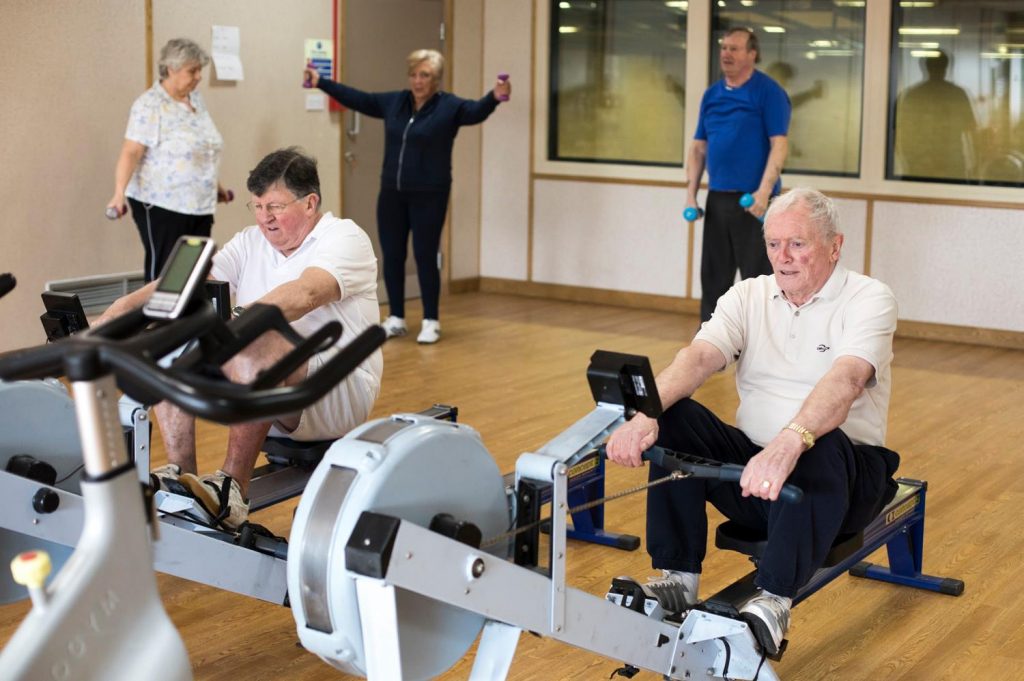
This programme, funded by the Welsh Government, aims to improve the lives of adults at risk of developing or currently managing chronic conditions through a structured 16-week physical activity regimen.

In the 2024/2025 reporting period, NERS received 1,010 referrals, demonstrating strong community engagement. Among these referrals, 75% of clients commenced the program, with 66% successfully completing it.

Based on our feedback, 100% of participants expressed their hope that the program would continue in the future, and 91% said they would recommend the program to others. Furthermore, all participants reported feeling safe and comfortable while exercising, and 100% found the fitness instructors approachable and easy to talk to.

These positive responses highlight the program’s significant impact and the value it brings to the community.


One of our participants, Donald, who is 90 years old, has been part of Chepstow Leisure Centre since 2018. Despite challenges, including a fall that resulted in a broken femur, Donald’s daughter shared the following with us about his story and the impact that the National Exercise referral scheme (NERS) has had on him and his Wife;

‘On 5th November 2018, Donald and his wife Margaret were invited by the Memory Clinic at Chepstow Community Hospital to take part in an exercise and education programme starting on Monday 14th January 2019.

They both thoroughly enjoyed the exercise classes and immediately engaged with Clare and the other instructors. I attended the sessions as mum was in a wheelchair and did not want to be a hindrance to the rest of the class.

At the end of the 12 week programme Clare realised the benefit to mum and dad and recommended we continue exercising with a NERS referral from the doctor.

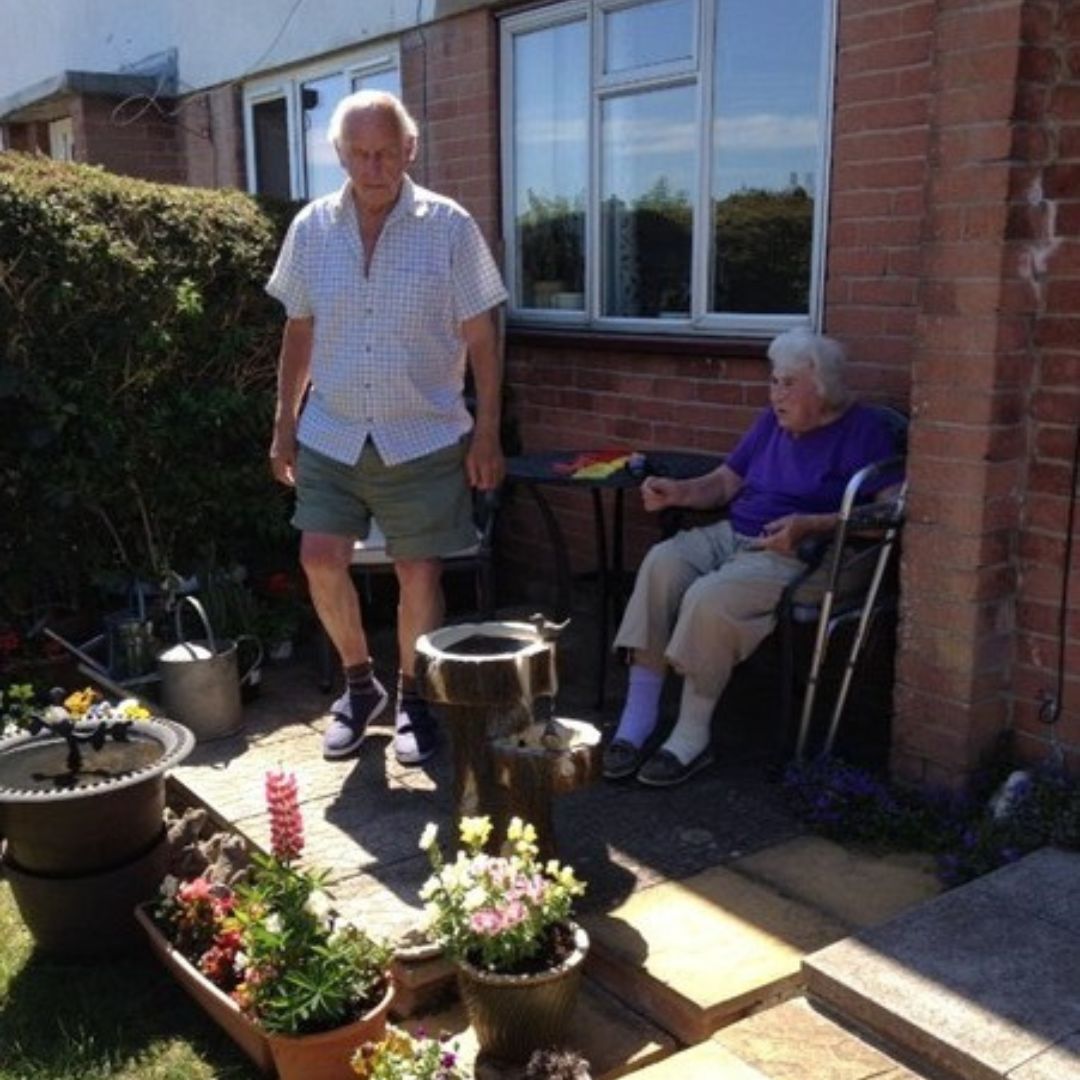
We kept in touch with Clare throughout Covid and I sent her photographs and videos of mum and dad exercising in the garden. These were posted on the Leisure Centre site.
Sadly, Margaret passed away in July 2021. In August 2021, Clare informed us that the Fit 4 Life classes would be resuming in September and informed us that we would need to be re-referred from the doctor to be able to attend, and also be supported via the Active 60+ Scheme, which was a new programme started by Sports Wales during the Covid Lockdown.

Donald is now accompanied by myself to class as he is unsteady on his feet due to his balance, and he is very conscious of not holding up the rest of the class. On 27th September, dad fell down the stairs and broke his femur. He now has a large pin in his thigh which is attached to his prosthetic knee.

On the 8th of November, he was declared ‘fit’ to re-join his exercise class. The surgeon believes his remarkable recovery is down to his fitness from his exercise classes. Dad is now back to his weekly class enjoying the banter and exercise with the rest of the class, whom we now consider to be our friends.

On 26th March, Dad will be 90 and long may his exercising at Fit 4 Life continue.

Thank you Clare for everything that you have done for us as a family.”

Donald continues to attend weekly classes, enjoying the camaraderie and exercise with friends.


Check out the videos below to hear more about their journeys;

Impact of Ners – Rosalind

Impact of NERS – James

Impact of NERS – Philip


Case Study: Cycle for All Scheme and Its Impact on an 8-Year-Old Boy

Background

So not to be identified, the names of the child and parent have been substituted.

  • Name: Ethan  
  • Age: 8 years old  
  • Location: Outskirts of Caldicot Monmouthshire
  • Family Situation: Lives with his single mother, Sarah  
  • Economic Situation: Limited financial resources

What is the ‘Cycle for All’ Scheme?

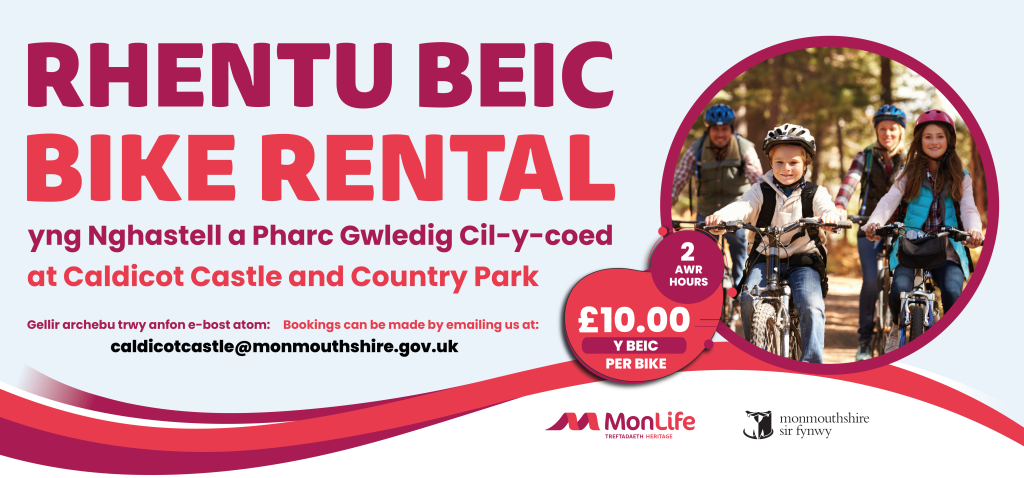
The “Cycle for All” scheme is a community initiative aimed at providing bicycles to children, adults and their families.

Introduction

Ethan is a vibrant and active 8-year-old boy who loves cycling. Living in the Caldicot area, cycling is a key part of his social and physical activities, offering him both a means of transportation and a way to play with friends. However, as Ethan has grown, his bicycle has become too small for him. His mother, Sarah, works a part-time job and struggles to make ends meet with the current economic climate and the cost of living, making it difficult to afford a new bicycle. This is where the “Cycle for All” scheme comes into play.

Ethan’s Experience with the Scheme

Discovery and Enrolments

Sarah learned about the “Cycle for All” scheme through a flyer when visiting the castle for one of the organised bug trail events in the school half term.

After applying, Ethan was quickly enrolled, thanks to the simple booking process that only required proof of ID and a brief statement on how a to use the bike and where to ride.

Hiring the Bicycle:

Once the booking process was completed, Ethan was invited to the pick up area within the Castle, where he was matched with a bicycle that suited his size and preferences.

The excitement on Ethan’s face was evident as he selected “a Big boys bike” bright blue bike, complete with a helmet and a lock.

Learning and Empowerment:

As part of the hiring scheme, Ethan was given an overview on how to use gears on “the big bike” he learned how to perform basic and repairs, such as pumping up a flat tire and adjusting the brakes seat and gears.

This not only empowered Ethan by teaching him self-sufficiency and that he was now in control of a bike with gears without the need to stop and ask Mum to push his bike up a hill.

Impact on Daily Life

Physical Health: Cycling has become a weekly activity for Ethan, contributing positively to his physical health and development.

Social Integration: With This new bike, Ethan can easily join his friends on weekend rides around the castle grounds on exploring adventures to the far edges of the park strengthening his social bonds.

Emotional Well-being: The newfound independence and ability to participate fully in activities with peers have boosted Ethan’s confidence and overall happiness.

Economic Relief: For Sarah, the scheme alleviated the financial burden of purchasing a new bike while Ethan is growing so fast, allowing her to allocate resources to other essential needs.

Conclusion and Impact

The “Cycle for All” scheme has had a broader impact beyond individual recipients like Ethan. By promoting cycling, the scheme encourages environmentally friendly transportation and fosters a sense of community.

In the future workshops such as bike maintenance workshop with his mother where she would learn how to perform basic repairs, such as fixing a flat tire and adjusting the brakes. This not only empowers children by teaching them to be self-sufficient but also ease parents’ concerns about ongoing maintenance costs. Having also engaged parents and volunteers, this would help creating a network of support and shared experiences.

Ethan’s story is a testament to the significant impact community initiatives like the “Cycle for All” scheme can have on individuals and families. By providing Ethan with a bicycle, the scheme has not only enhanced his weekend life but also contributed to his physical, social, and emotional development. For Sarah, the program has been a vital support, providing a sense of relief and community connection. Through such programs, communities can effectively address the needs of their members, fostering inclusivity and empowerment for all.


Case Study: Developing new Active Travel routes in Caldicot

Objective:

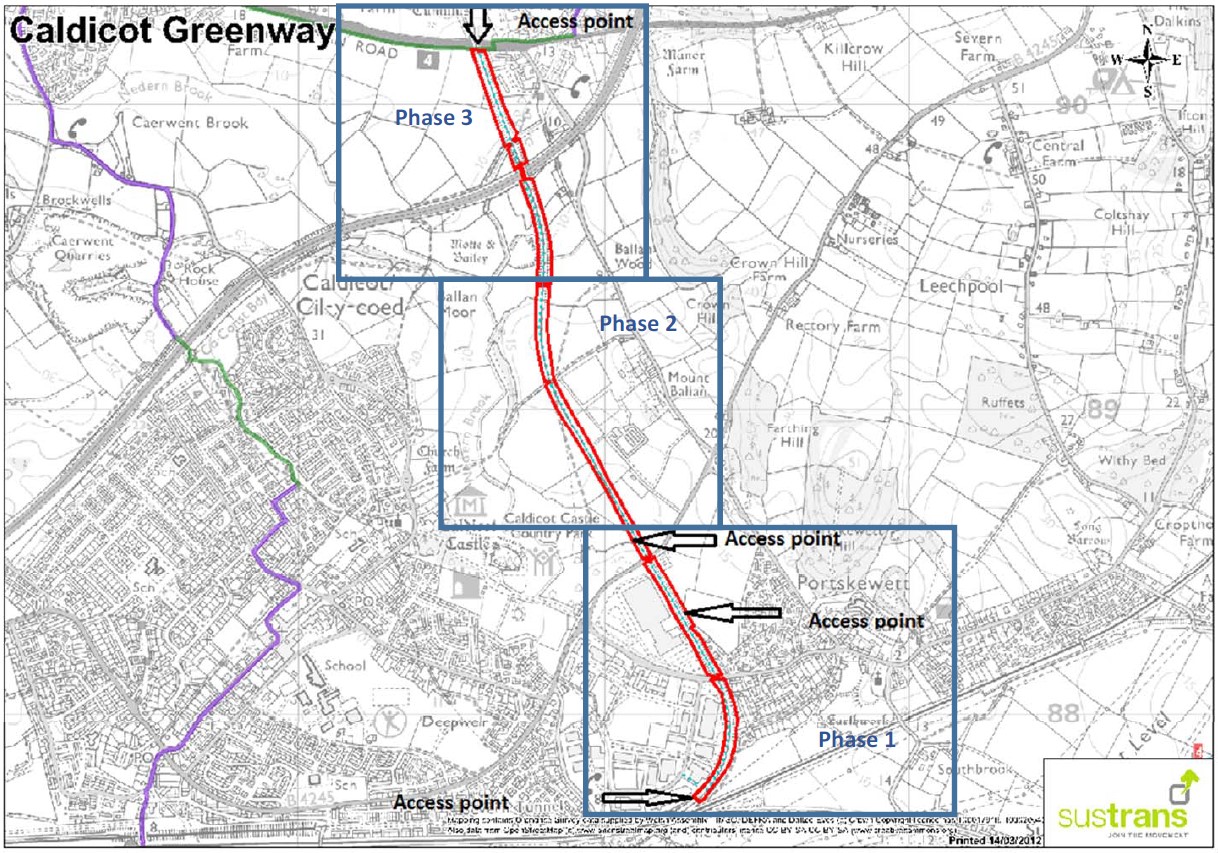
Monmouthshire County Council is working to improve the local walking and cycling network around eastern Caldicot, Crick and Portskewett, to make local active travel more accessible, more enjoyable and safer for the whole community.


Implementation:

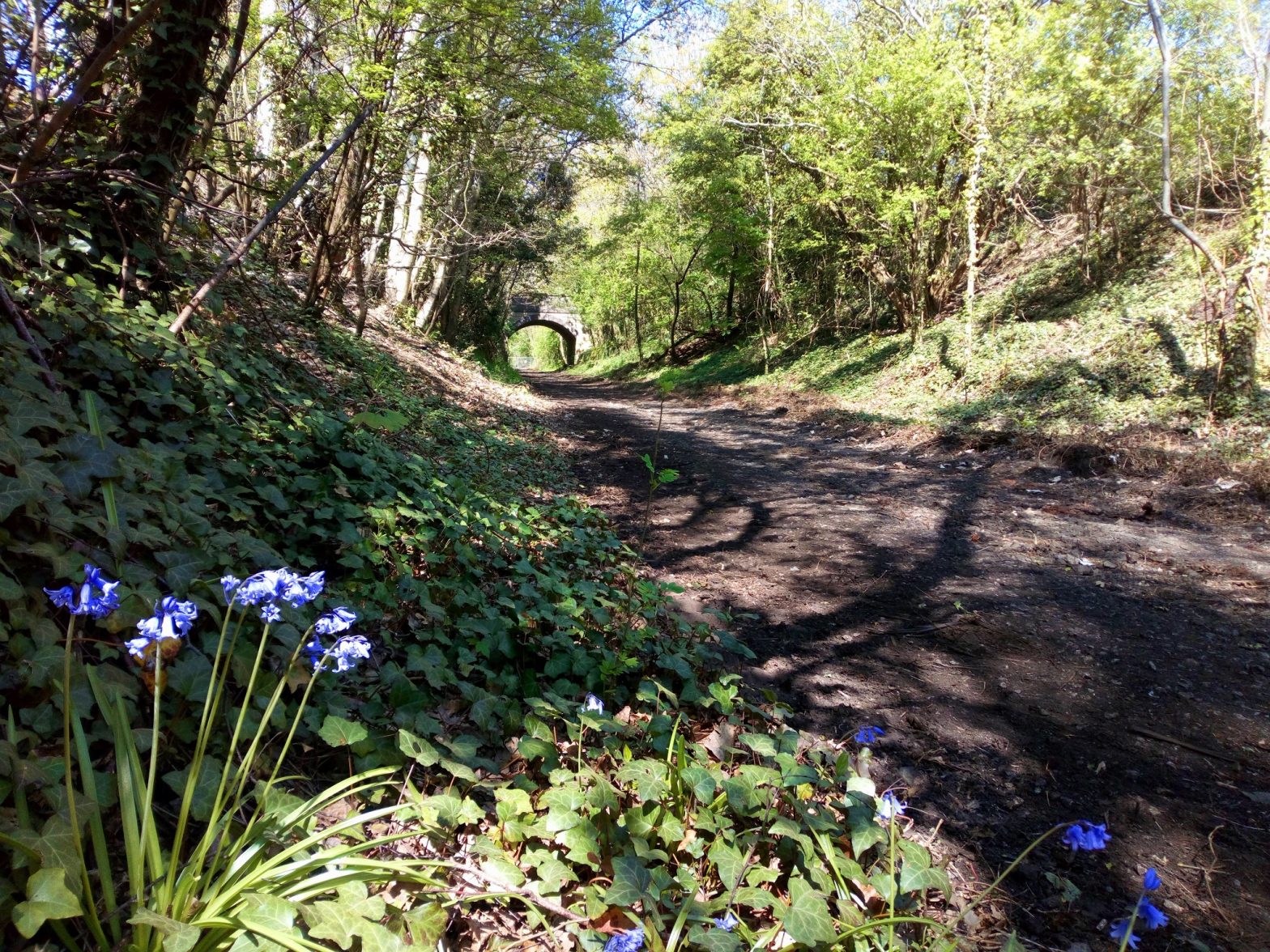
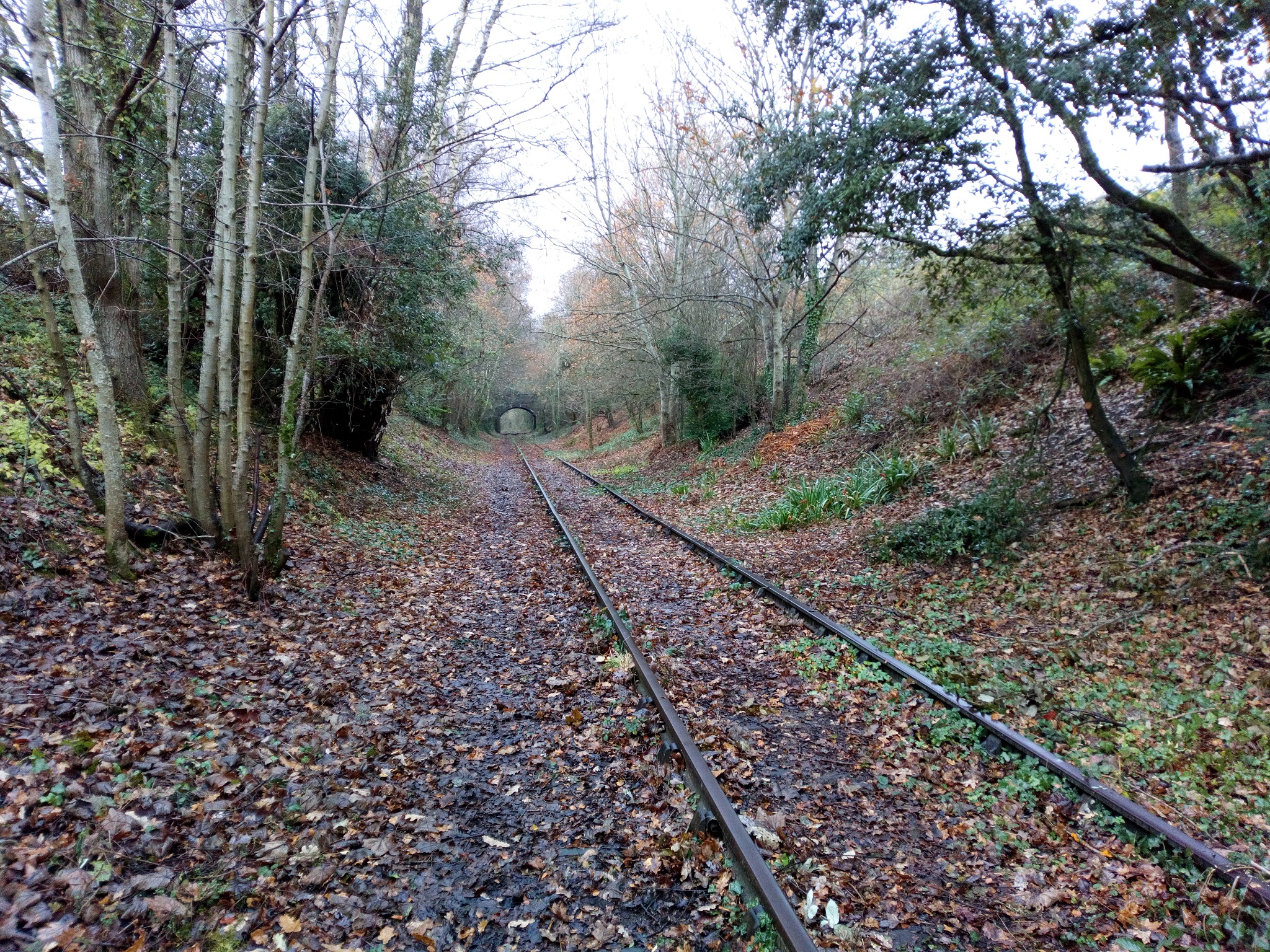
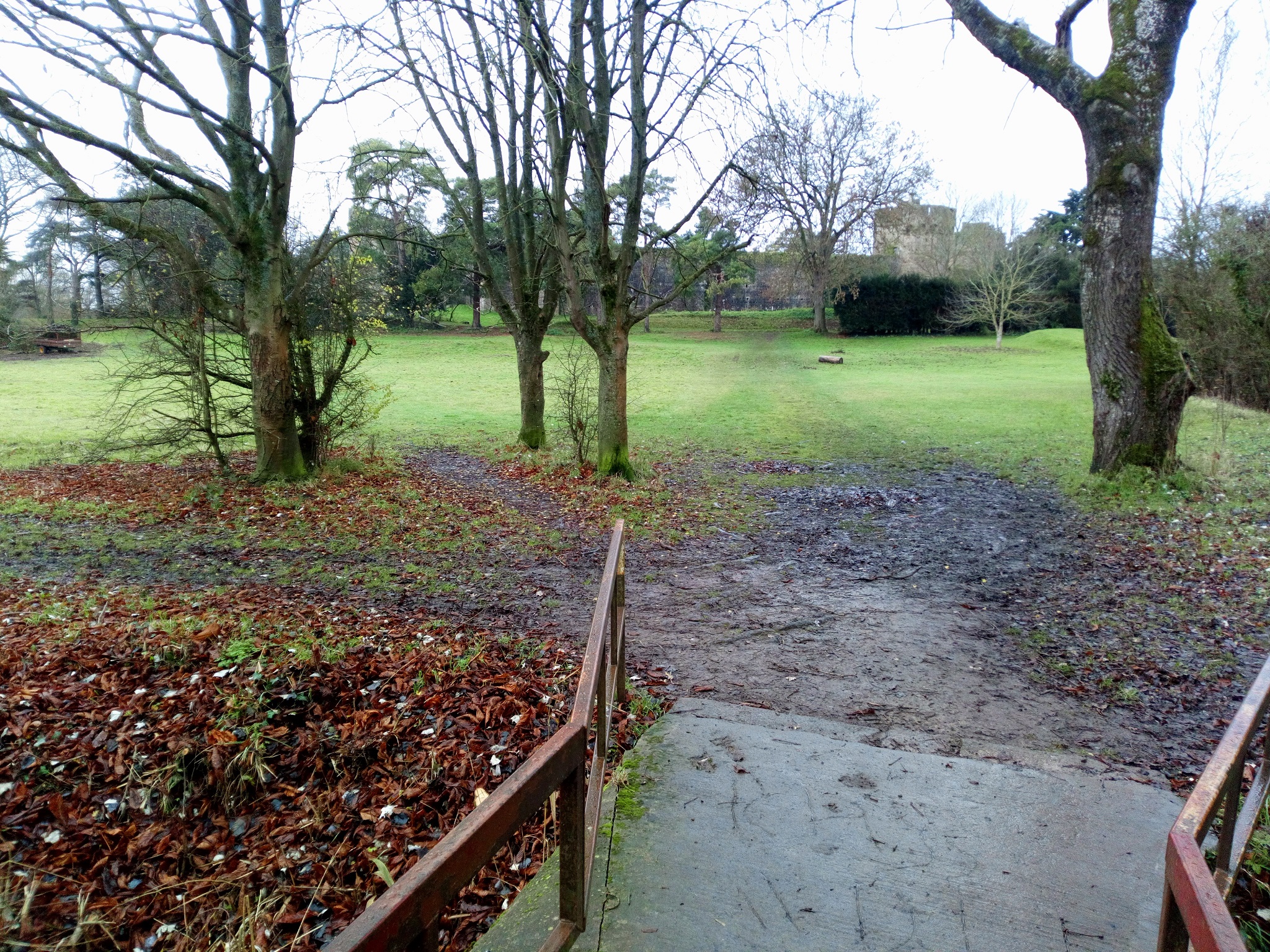
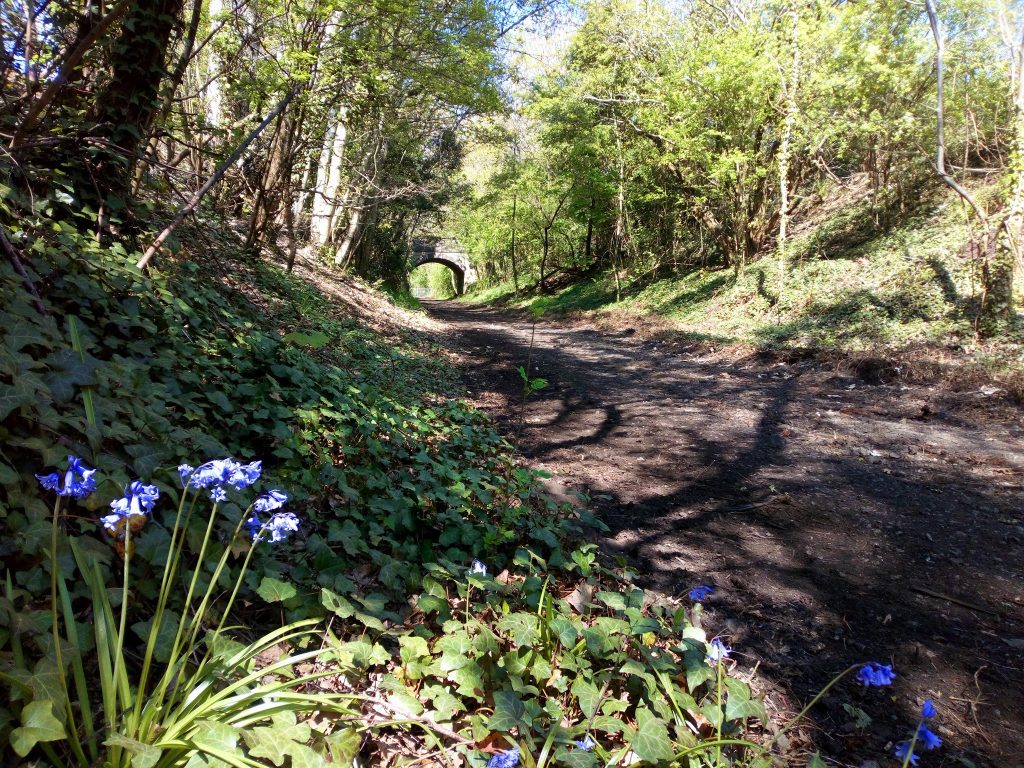
Two sections of interconnected route are being developed: one through Caldicot Castle Country Park (the 1km long Caldicot Multiuser Route) and one along the former MOD railway line, now disused, from Portskewett to Crick, running alongside the castle country park and the Severn Bridge Industrial Estate (the almost 3km long Caldicot Links).

As part of the project development a stakeholder consultation was undertaken by connecting with over 200 people in live engagement sessions, working with pupils and staff from two local schools, setting up a project webpage inviting feedback, sending out letters and posters locally and holding online stakeholder meetings.


Results:

Results showed significant local support for the proposals, resulting in over 800 ideas being shared with us for consideration in the detailed design.

Current progress (as at July 2022):

  • Caldicot Links Phase 1 (southern section below the castle country park) – a wide range of surveys and assessments completed, the old rail has been removed, currently applying for permissions, funding secured for construction by March 2023 (subject to permissions being in place).
  • Caldicot Multiuser Route and the Links Phases 2&3 – further ground and ecological surveys and assessments and design development are underway, working up to applying for all permission.


Case Study: Gwent Green Grid Partnership

Objective:

The Gwent Green Grid Partnership (GGGP) is a three-year project running from March 2020 to March 2023. The partnership includes the five Local  Authorities of Gwent (Monmouthshire, Blaenau Gwent, Caerphilly, Newport and Torfaen), as well as Natural Resources Wales, Forest Research and Severn Wye Energy Agency.

The GGGP aims to improve and develop green infrastructure – a term used to describe the network of natural and semi-natural features, green spaces, rivers and lakes that intersperse and connect villages, towns and cities – as well as provide green job opportunities within the area. Green infrastructure has a crucial role to play in addressing nature, climate change and health emergencies.


Implementation:

The GGG Partnership is delivering across five workstreams:

Workstream 1: Regional Green Infrastructure Strategy and Partnership:

The GGGP demonstrates a pioneering way of working collaboratively to deliver strategic and local outcomes to provide a regional approach to Green Infrastructure in Gwent.

Workstream 2: Gwent Green corridors

Looking at access issues at a regional scale will support best practice and support the delivery of works of the ground locally and regionally. Four trainee countryside rangers are employed by the partnership to delivery access improvements and gain skills and qualifications in countryside management.

Workstream 3: i-Tree Eco Study

i-Tree is a software application which is used to quantify the structure and environmental effects of urban trees. The data from these surveys can be used to help those who look after trees to make informed management decisions.

Workstream 4 : Gwent Green Projects

In this workstream green infrastructure improvements are being delivered across the region, including landscape enhancements, implementation of pollinator friendly management, tree planting and access improvements.

Workstream 5 : Pollinator Friendly Gwent

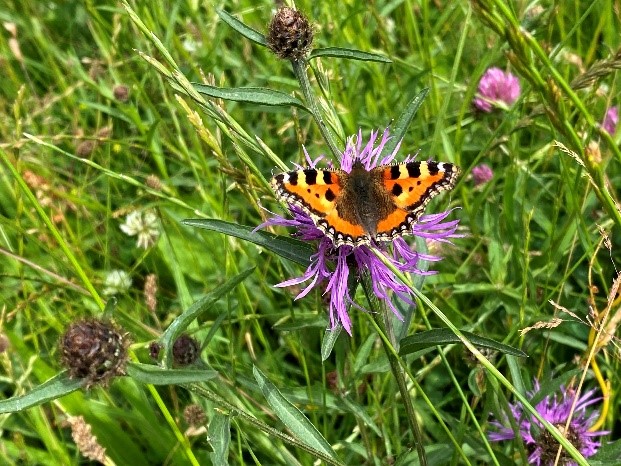
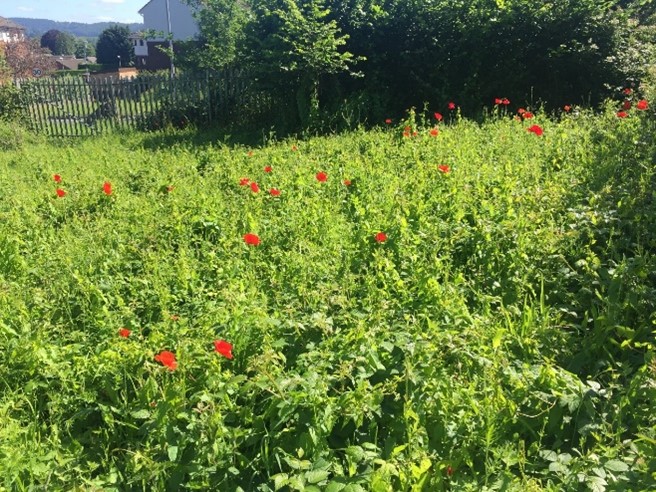
Green spaces are being managed the ‘Nature isn’t Neat’ way, letting grassland in parks and along verges grow in the spring and summer to create meadow areas and provide better habitats for pollinators, such as bees and butterflies as well as a variety of other wildlife.


Results:

On the ground works can be seen across Gwent. Some improvements being made in Monmouthshire include:

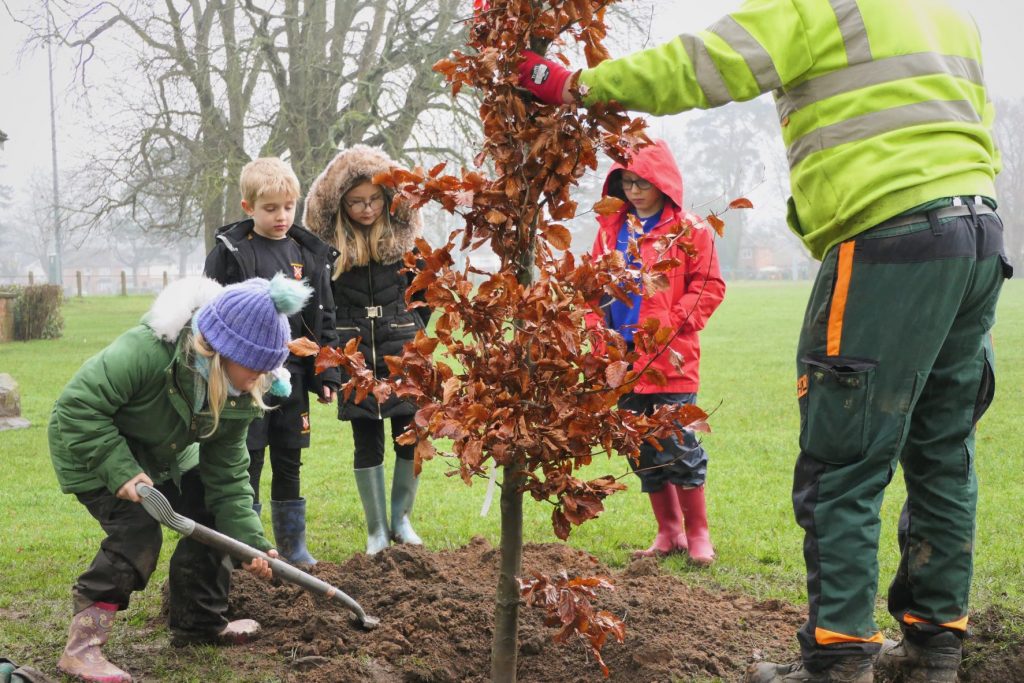
  • Tree planting across the county
  • Pollinator friendly grassland management
  • Engagement events with local communities

The GGGP team will be buzzing with activities and events in 2022, so follow us on Twitter @Gwentgreengrid for all the latest news and please re-tweet and share widely.

For more updates please CLICK HERE.


Case Study: MonLife Active 60

Objective:

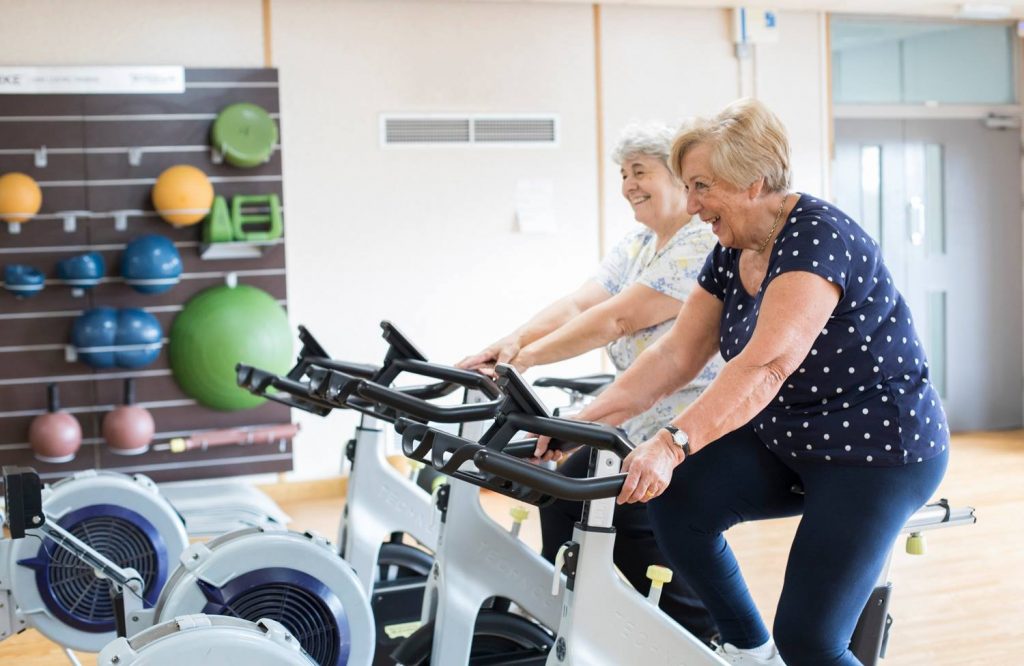
The MonLife Active 60 Programme was made possible with funding from Sport Wales. The programme seeks to encourage lifelong physical activity for people aged 60 plus by offering them support to become more physically active through in-person or online classes.

Members of the Active 60 programme have access to:

• Fitness Suites with a 1 to 1 tailored programme’s / programme reviews.
• Designated Fitness Classes (Fit4Life, Stretch & Tone, Pilates, Yoga, Tai Chi, Fit4Life Dance, Fit4Life Multi Sports; Fit4Life Walking Netball; Aqua; Aqua Running; Les Mills Virtual BARRE, Les Mills Virtual Body Balance, Les Mills Virtual Sh’Bam)
• Casual Swimming Sessions
• Health Suite & Saunas (Except Monmouth).

Members are encouraged to link their physical activity to our My Wellness App via their smart phone’s or watches. This creates an online dashboard where activity can be monitored by attending gym/class, use of virtual class and outdoor activity such as sport, walking and cycling.

The MonLife Sport Development team also aims to connect members of the programme into local community clubs such as walking hockey; bowls; touch rugby and park run. By helping to create these pathways into the community it provides a wider variety of activities for members to participate in. this in turn helps members continue their health, wellbeing and enjoyment of physical activities as part of their everyday lifestyle.

The Active 60 Programme is also open to members that complete the National Exercise Referral Scheme (NERs) to help support them into lifelong physical activity and health.


Implementation:

  • Fitness Suites with a 1:1 Customer Journey with tailored programme’s / programme reviews.
  • Designated Fitness Classes (Fit4Life, Stretch & Tone, Pilates, Yoga, Tai Chi, Fit4Life Dance, Fit4Life Multi Sports; Fit4Life Walking Netball; Aqua; Aqua Running; Les Mills Virtual BARRE, Les Mills Virtual Body Balance, Les Mills Virtual Sh’Bam) Casual Swimming Sessions
  • Health Suite & Saunas (Except Monmouth).

We’re continually looking to improve the programme to encourage participation by introducing alternative activities like: Dance, Walking Netball and Multisport.


Results:

All members that join the Active 60 Programme will complete a fitness assessment on week 1 and week 8 . This is reported back to Sport Wales to highlight improvements to health and wellbeing for this age group.

Since the start of the programme in April 2021:

  • 157 members have registered with us.
  • 140 members have programmes on the MyWellness App.
  • 83% have stayed for their first month of the programme.

“After the long layoff due to Long Covid it was good to get back to the gym not only for physical but also mental reasons. Being able to attend the gym is good for the head as it gives me a focus and something to look forward to. The attendance can still be interrupted by days where the energy levels are low, but the improvement is obvious to me, and the programme is now beginning to return to normal and adjustments have been made to keep the progress.”

Active 60 Member


Case Study: Green Infrastructure through Section 106

Objective:

Develop and / or improve community facilities and various open spaces in Monmouthshire via Section 106 funding.


Implementation:

Funding known as Section 106 (S106) can be used to develop and / or improve community facilities and various open spaces. This funding has been secured through a planning obligation request which is a deed or agreement attached to the land that is the subject of a planning permission. Contributions secured through planning obligations are used to mitigate or compensate for the negative impacts of a development. As a result, MonLife’s GI team carried out the following projects:

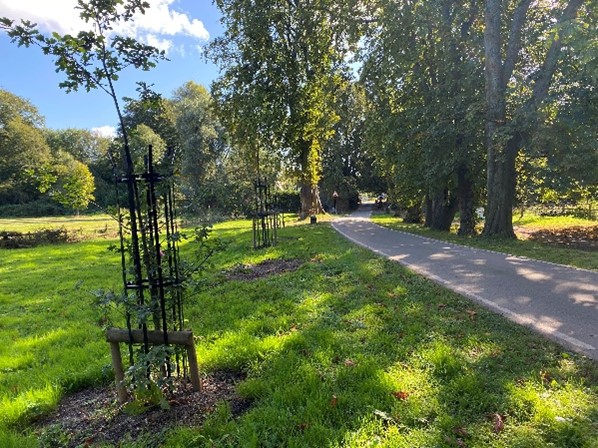
The Caldicot Corridor Improvements project – Aimed to create enhancements along Woodstock way and Newport road in Caldicot.

Caldicot GI enhancement project – Green Infrastructure (GI) improvements in the eastern part of Caldicot town as part of the Council’s Green Connections project, made along a selection of green route ways and in parks and amenity spaces in Caldicot which form important Active Travel routes through the town.

Caldicot Castle Country Park Pollinators project – Aimed to deliver a grassland enhancement and tree planting scheme. The project delivered a grass cutting plan to maximise wildflower meadows at the site and included ‘over-seeding’ of some areas with native wildflower seed.

The Monmouth Community Nature Spaces project – Complimented the WG Local Places for Nature funding to deliver a total of 11 significantly enhanced greenspaces. The scheme will also result in a reduction in the use of pesticides across the area. Local interest groups have been involved in the site development and are keen to undertake tree and food growing once the sites are complete.

Link Road Corridors Enhancement project (Monmouth) – Fully funded S106 project delivering species and habitat management and enhancement to compensate for loss of habitat to facilitate development nearby.


Results

The Caldicot Corridor Improvements project:

  • – 31 trees, 40 fruit trees, 100 bee friendly shrubs, 4 climbing plants, 1685 indigenous hedgerow plants, 8 sacks of daffodils, 20 trays of pollinator friendly bedding plants.
  • – 100 volunteer hours ( Keep Caldicot Tidy, Caldicot in Bloom, Keep Wales Tidy, Caldicot Castle Community Garden, Local Sustrans rangers, Caldicot Comprehensive School)

Caldicot GI enhancement project:

Caldicot Castle Country Park Pollinators project:

The Monmouth Community Nature Spaces project :

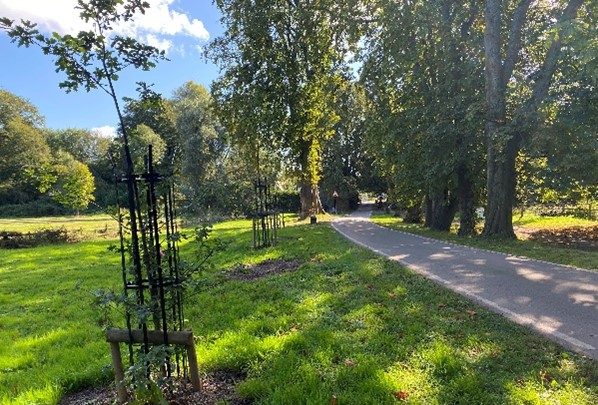
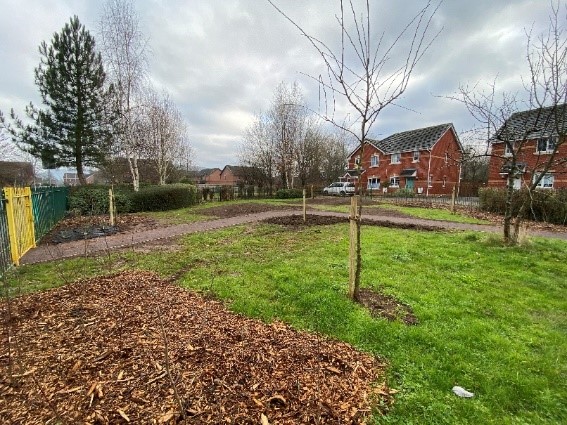
Figure 1: Significant tree planting has taken place across the area including at the Hendre Close open space where a tree nursery will also be located
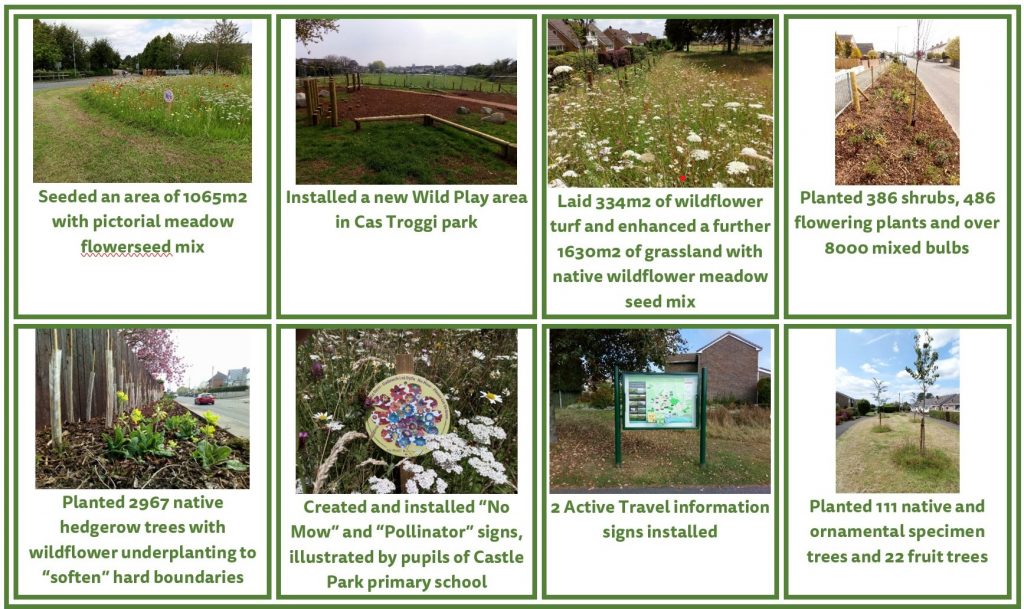
Figure 2: Tree shrub and hedge planting has been complemented by pollinator plants and wildflower seed to deliver a more diverse space including wild play

11 sites improved for pollinators

9 sites with improved mowing practices

11 areas of pollinator planting

11 tree planting sites

9 areas of community orchard planting

3 community food growing beds

1 tree nursery

11 Improved seating areas

Link Road Corridors Enhancement project (Monmouth)

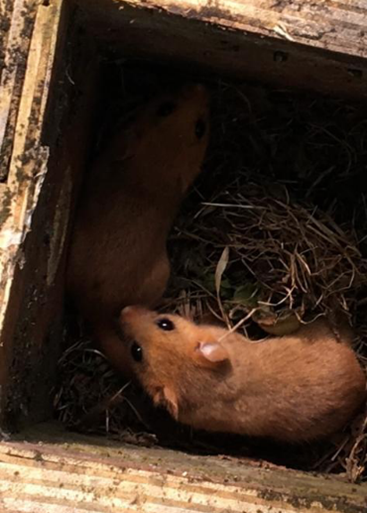
– 0.4ha grassland /scrub to maintain and enhance grassland species; supporting habitats for slow worm & dormice.

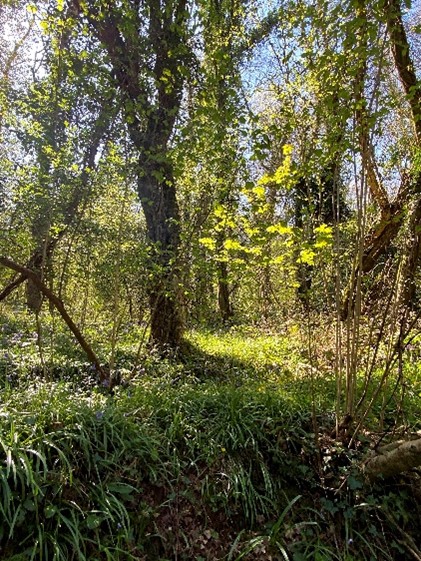
– 1.3ha woodland management supporting a variety of species of breeding birds

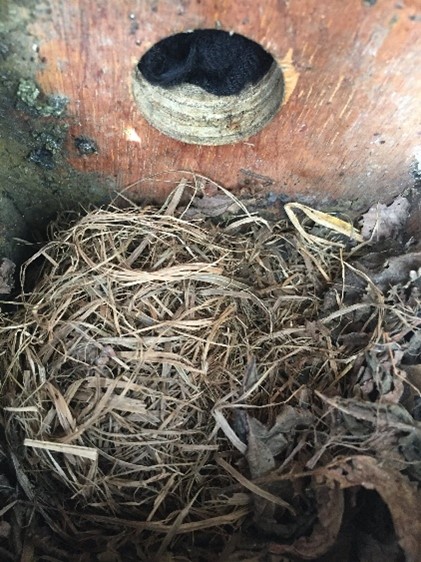
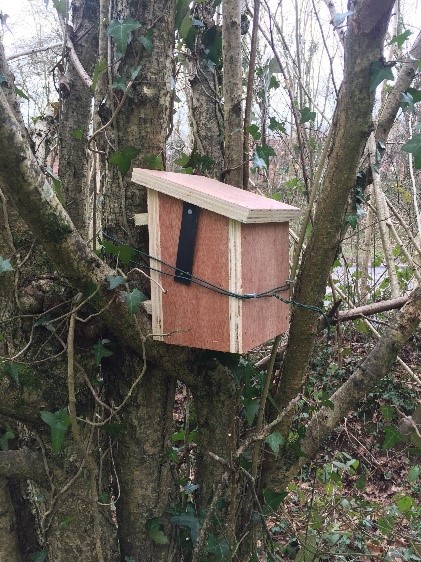
– Installation and monitoring of 44 dormice boxes and 2 reptile refugia.

– The scheme involved the Building Bridges group (young people with additional needs) to make dormouse boxes and undertake nut searches in the woodland.