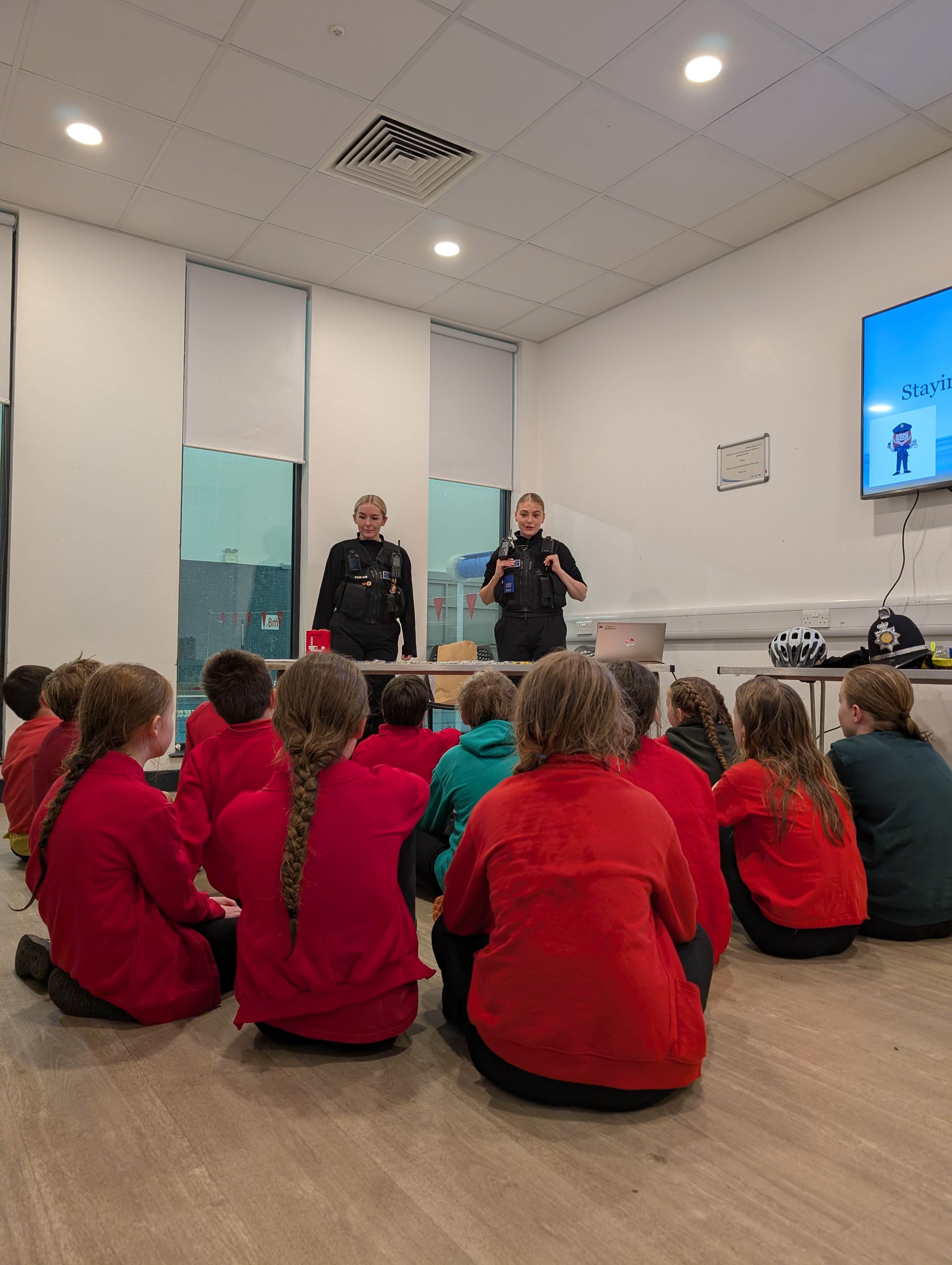
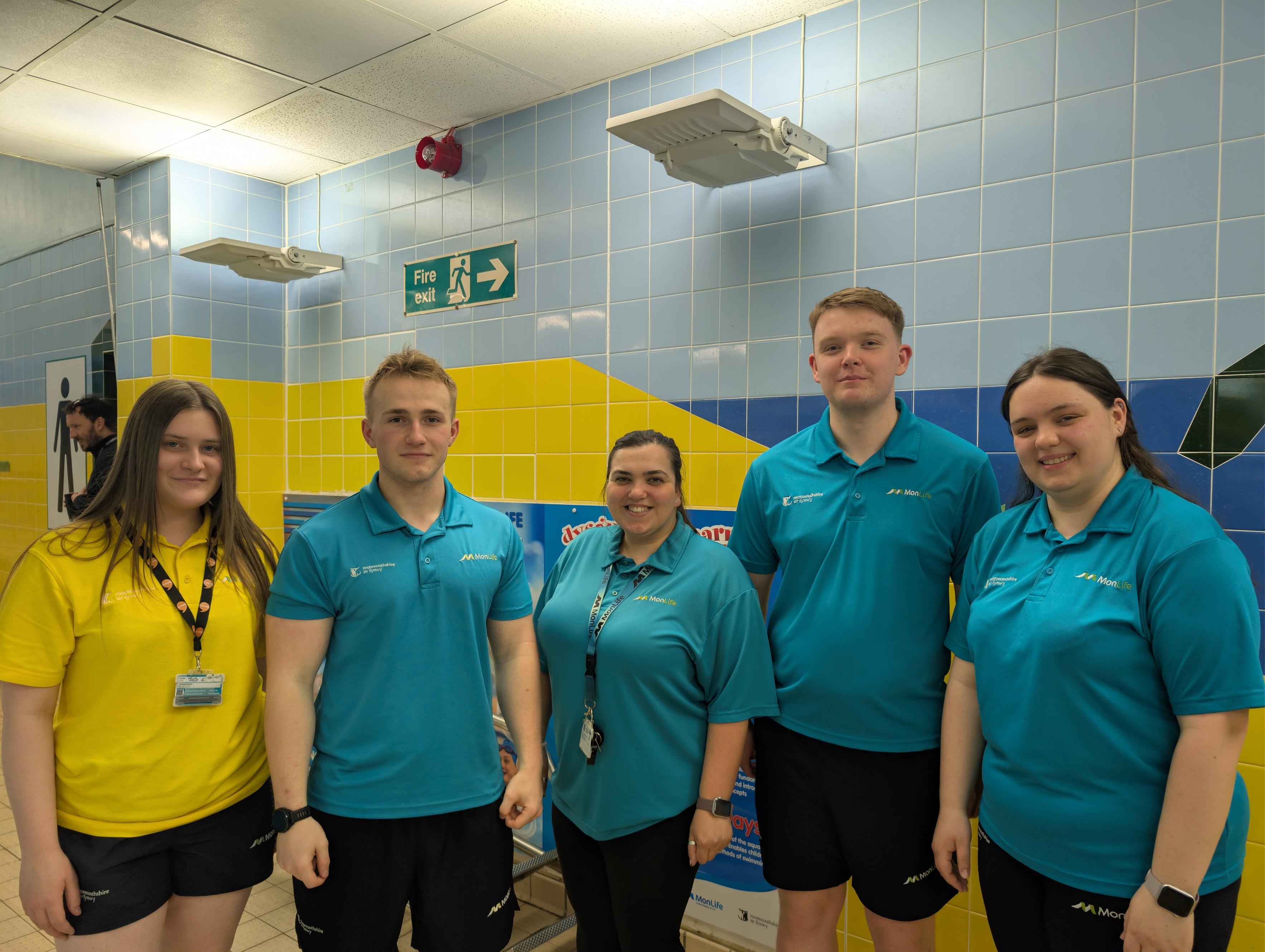
Schools from across Monmouthshire have taken part in a pair of water safety events.
Around 500 students attended the events, which were organised with the support of the RNLI, South Wales Fire and Rescue Service, Gwent Police and Swim Wales.
All pupils walked away from the event having taken part in four pool-based workshops focused on the Water Safety Code.
This was followed by four dry-side workshops, outlining the dangers of water and the involvement of emergency services and other partners in keeping people safe in these environments.
The Water Safety Code is based on research commissioned by the RNLI in 2018 as part of their Youth Education programme. Since then, it has widely been adopted by the UK National Water Forum, of which organisations including Swim Wales, Swim England, RLSS, RoSPA and the Fire and Rescue Services are part.
The Water Safety Code offers easy-to-remember information designed to educate individuals across the UK and Ireland. It encourages people to make critical decisions early and helps them understand the appropriate actions to take in an emergency.
The code instructs that, if you are around water, you must:
Stop and think – always swim in a safe place.
Stay together – always swim with friends or family, or at a lifeguarded venue.
In an emergency, you should:
Call 999 – If you see someone in trouble, you must tell somebody or go to the nearest telephone and dial 999. Then ask for the Fire Service at inland water sites and the Coastguard at the beach. Throw something that floats for the person to hold on to, but don’t enter the water to help.
A Monmouthshire County Council spokesperson said: “Learning how to be safe around water is a vital skill, especially as we begin to head into the warmer part of the year.
“I am pleased to see that so many students have taken the time to acquaint themselves with the Water Safety Code.
“If you are heading out to one of Monmouthshire’s beautiful rivers or to the coast, please do so safely.”
Hannah Guise, Learn to Swim Manager at Swim Wales, said: “These festivals demonstrate the power of collaboration in teaching and reinforcing potentially life-saving water safety messages to students. Combining theory with practical activities in the water significantly enhances the learning experience. We
were delighted to support MonLife in delivering these festivals and would encourage other local authorities to follow this excellent example.”
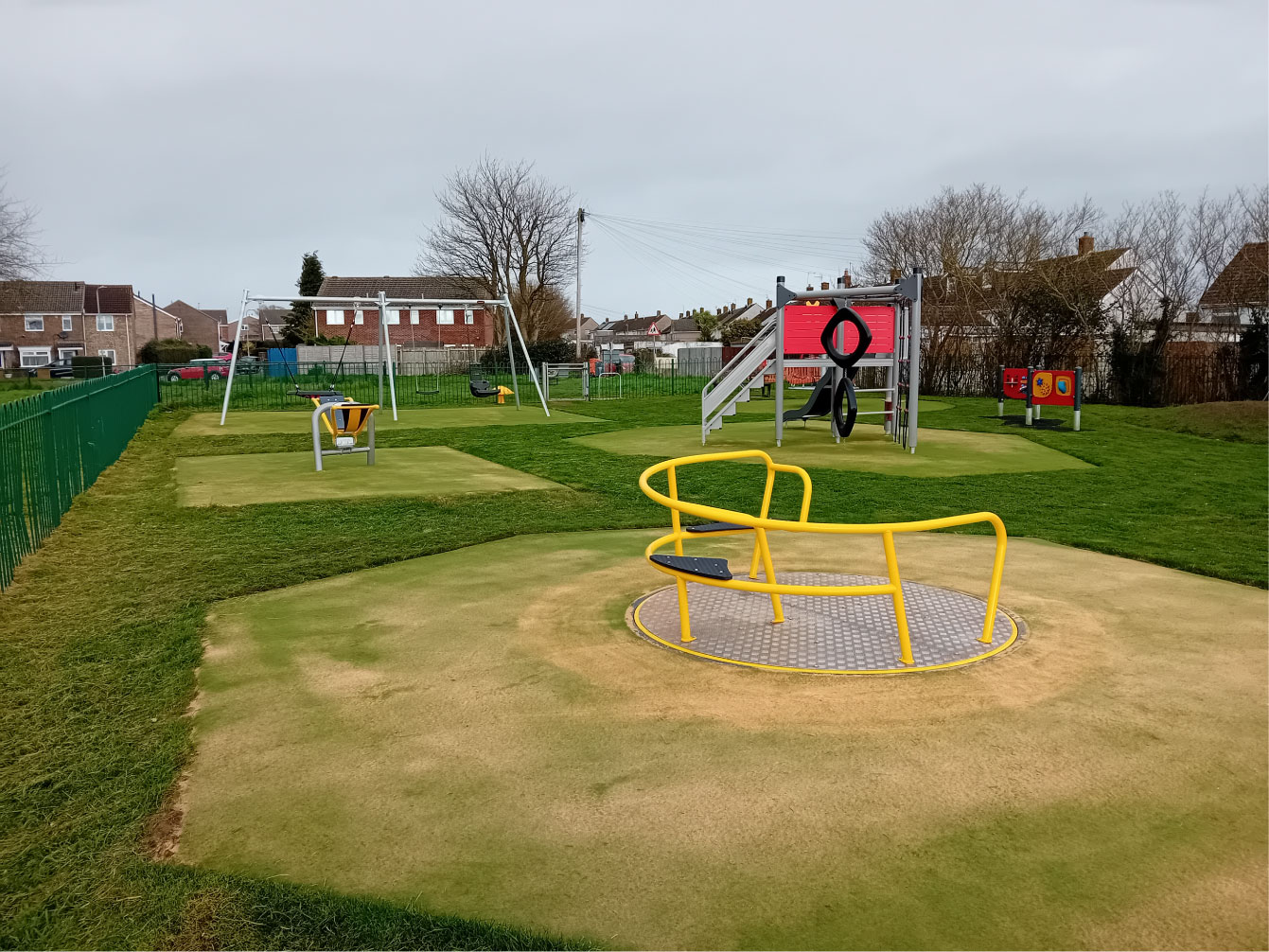
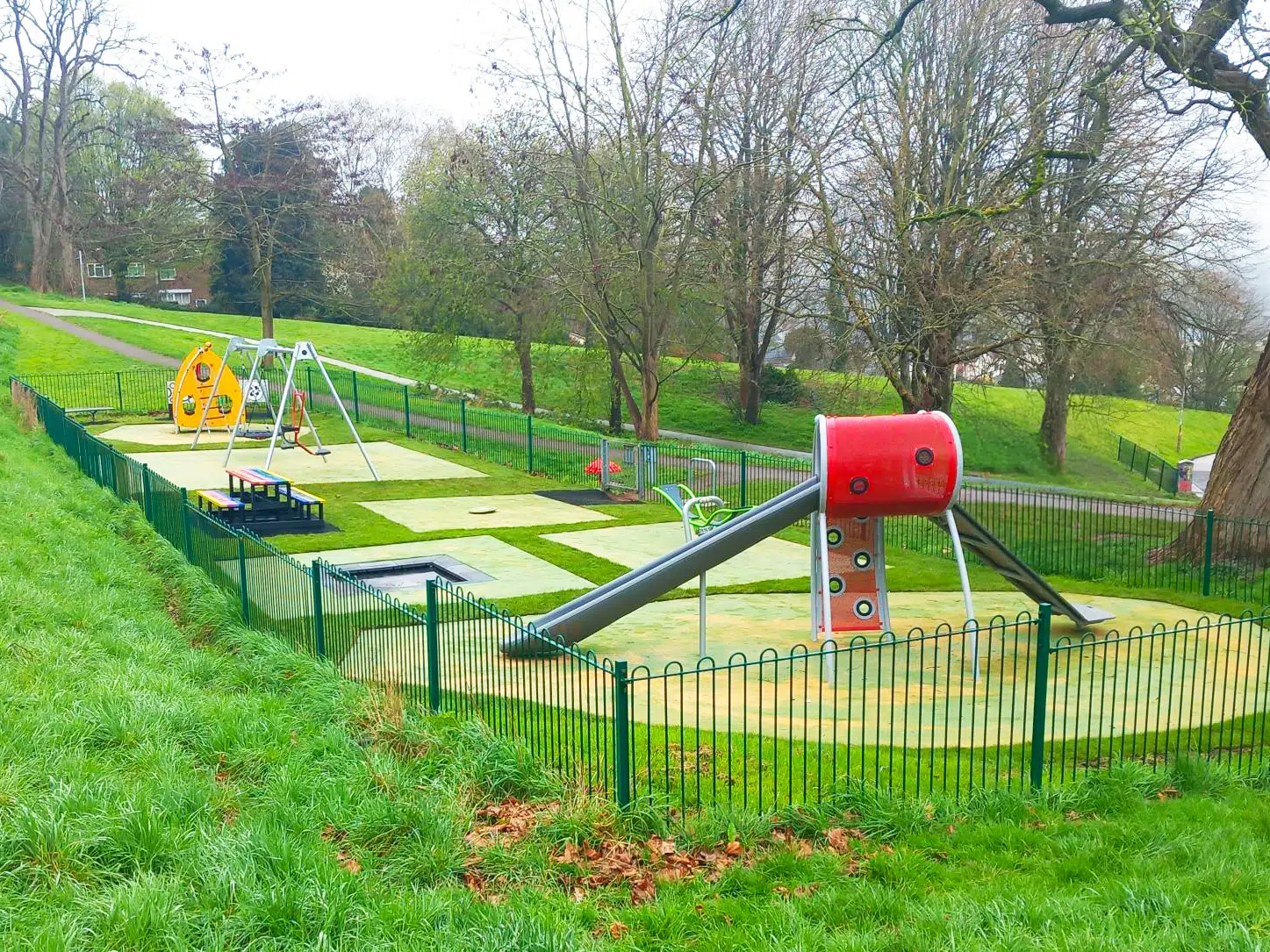
Monmouthshire County Council is pleased to report that work to upgrade two play parks in Chepstow has been completed.
The play parks at Western Avenue and Piggy’s Hill have been redeveloped to support a range of ages.
To ensure the new designs reflect the needs of local families, engagement was carried out with parents and children through online surveys – via Let’s Talk Monmouthshire – and direct consultation during the Food and Fun summer programme.
The response was encouraging, with input received from a wide range of age groups.
As a result of this collaborative effort, we are excited to include features such as the supply and installation of the net jumper at Western Avenue, made possible through additional funding from Chepstow Town Council.
At the play park at Piggy’s Hill, Chepstow Town Council provided additional funding to secure a slide unity climber.
These enhancements reflect our commitment to listening to the community and delivering inclusive, engaging spaces for children of all abilities.
The project has been funded by Welsh Government All Wales Play opportunists capital funding with additional funding from Chepstow Town Council.
Monmouthshire County Council Cabinet Member for Equalities and Engagement, Cllr Angela Sandles, said: “It is wonderful to see the play parks in Chepstow given a new lease of life.
“I cannot wait to hear how much the children enjoy them.
“Hopefully, the play parks will help the children of Chepstow and beyond to play and stay active for years to come.”
Following the launch of the Monmouthshire Cultural Strategy, applications are now open to join the Monmouthshire Cultural Partnership Forum.
Across Monmouthshire, culture is lived. Professionals and volunteers enrich the lives of residents at every age, from our youngest to our oldest, helping build a strong sense of belonging and pride.
The Monmouthshire Cultural Partnership Forum will bring together people who care deeply about culture in Monmouthshire and want to help shape its future. Members will play a key role in developing the action plan for cultural activity, sharing insight, championing local activity and helping ensure culture continues to thrive across the county.
We are seeking a broad and diverse range of voices that reflect Monmouthshire’s rich cultural landscape. From heritage, arts and creativity to community‑led activity, education, events and volunteering.
Whether you are an artist, organiser, volunteer, practitioner, educator or simply passionate about culture, we would love to hear from you.
By joining the forum, you’ll have the opportunity to:
Help shape priorities for culture in Monmouthshire
Influence decision‑making and future activity
Connect with others working across the cultural sector
Celebrate and champion the creativity already happening in our communities
If you are enthusiastic about driving culture forward and want to help create meaningful, memorable experiences for people across Monmouthshire, this is your opportunity to get involved.
Tracey Thomas, Head of Culture, Community Learning and Events, said: “Culture is at the heart of what makes Monmouthshire such a special place to live, work and visit.
“This new forum is about listening, learning and working together. We want to hear from people with lived experience, fresh ideas and a passion for their communities, so that culture in Monmouthshire continues to be inclusive, ambitious and rooted in place.”
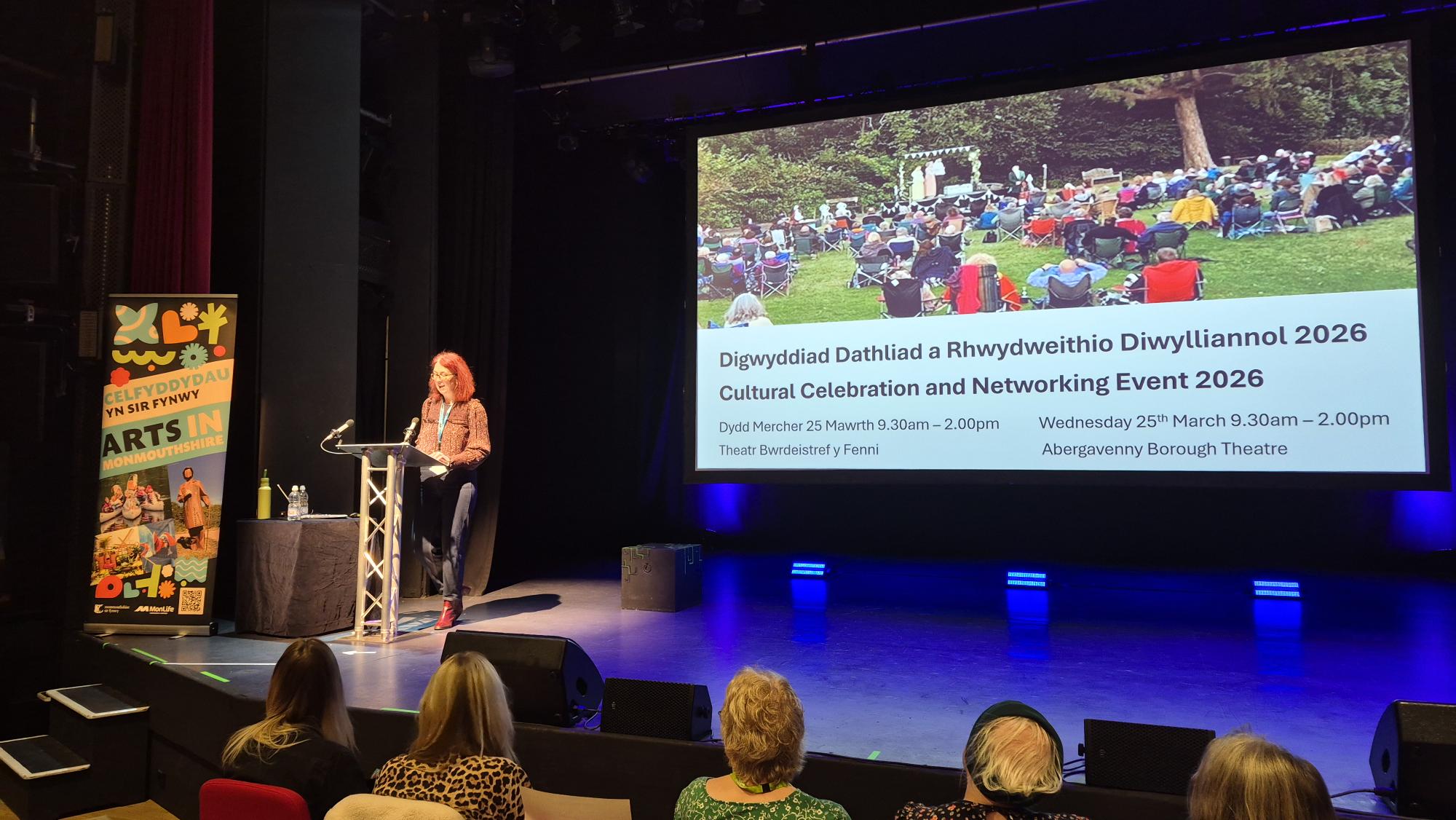
On Wednesday, 25 March 2026, creatives, partners, and community organisations gathered for the Monmouthshire Cultural Celebration and Networking Event at the Borough Theatre in Abergavenny.
This event showcased the diverse cultural activities in Monmouthshire and facilitated discussions on the importance of creativity in strengthening communities and supporting the local economy.
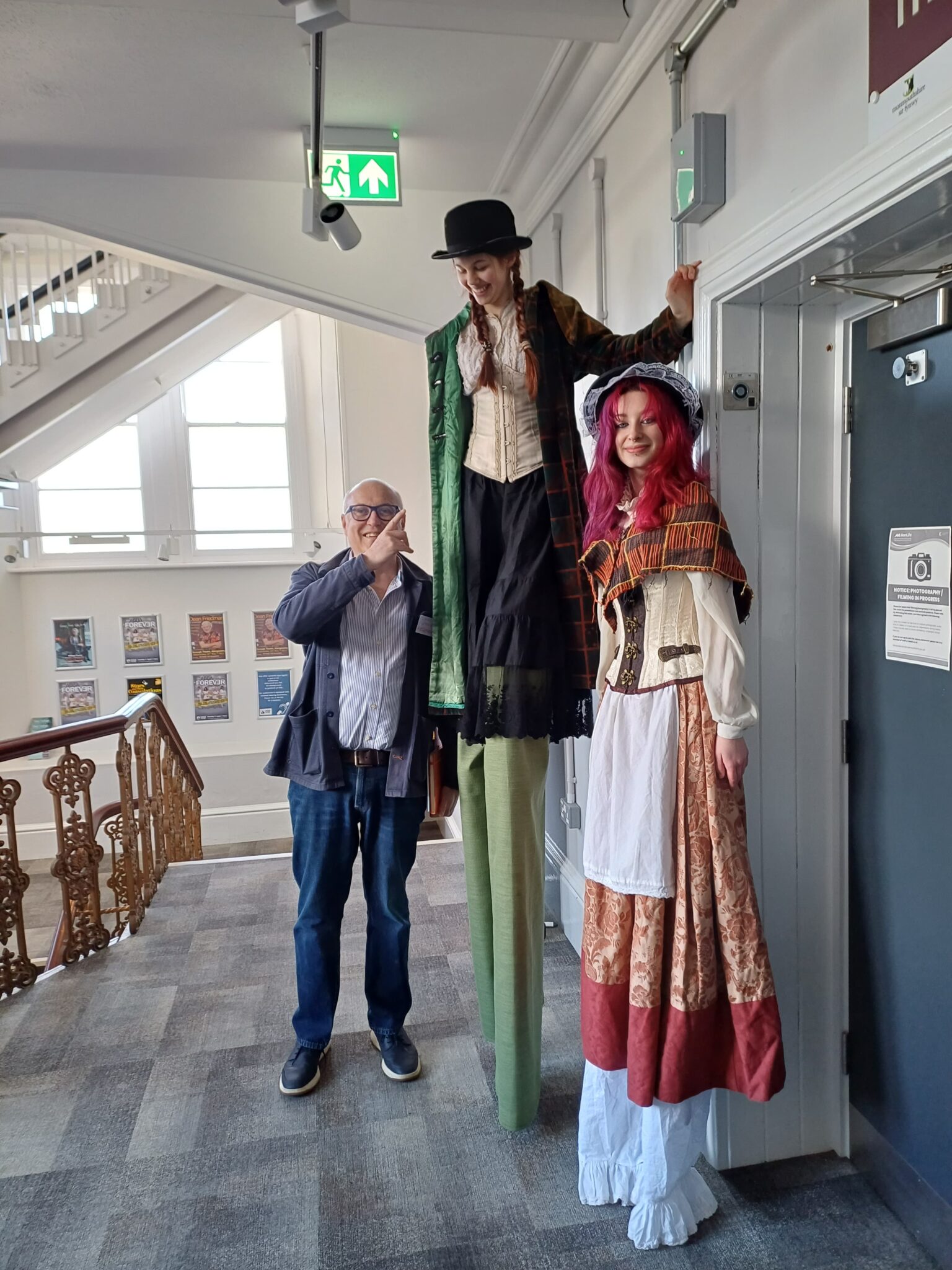
Attendees were greeted with a vibrant reception featuring stilt walkers and an AI-inspired dance performance by young people from DanceBlast, setting an energetic tone for the event.
A highlight was the launch of Monmouthshire’s Cultural Strategy 2025-2035, which outlines a visionary plan for the next decade. This strategy emphasises that culture is not an isolated endeavour, but a key driver of wellbeing, economic growth, community resilience, and collective identity.
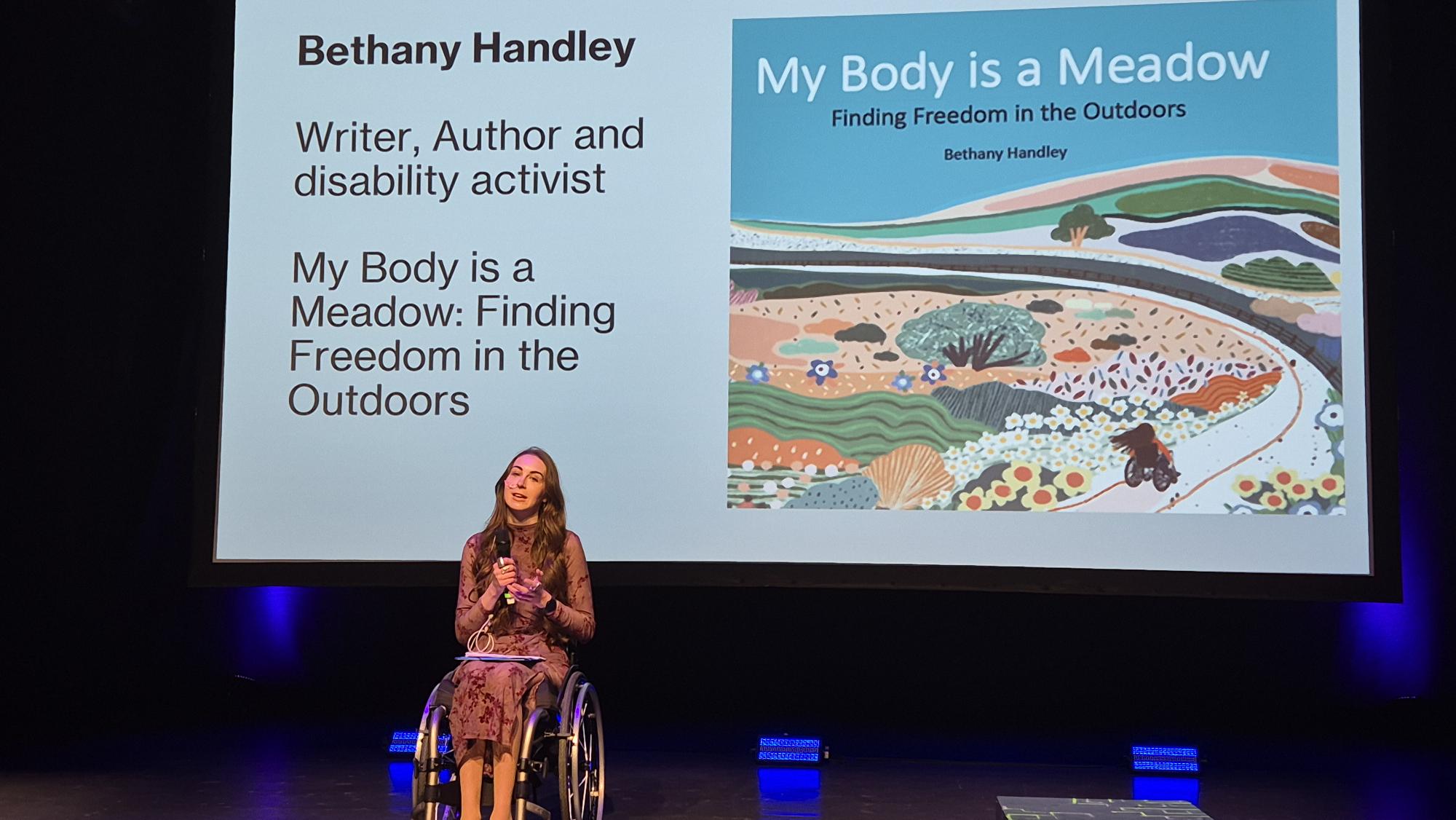
The event also introduced the National Year of Reading Programme, featuring award-winning writer Bethany Handley, who read an excerpt from her upcoming book, My Body is a Meadow.
Presentations throughout the day highlighted various creative projects, including art exhibitions and theatre productions, with a strong focus on youth engagement through initiatives like Creative Futures and Improv Stars Academy.
A Q&A panel discussion, led by Anita Holford, addressed funding opportunities for creatives in Monmouthshire, with insights from representatives of Arts Council Wales, Social Business Wales, and Abergavenny Town Council.
Tracey Thomas, Head of Culture, Community Learning and Events, said: “The launch of our Cultural Strategy is a proud moment for Monmouthshire. It reflects the incredible creativity that exists across our communities and our shared ambition to ensure culture plays a central role in shaping the county’s future; strengthening communities, supporting the local economy and inspiring future generations.”
“It was especially encouraging to see so many young people involved and to hear directly from creatives about the opportunities and challenges they face. Events like this help us build stronger connections, share knowledge and ensure support is accessible across the sector.”
A major programme of nature recovery will be delivered across Gwent after the Gwent Green Grid Partnership secured £999,974. This project is funded by the Nature Networks Programme. It is being delivered by the Heritage Fund, on behalf of the Welsh Government.
The Gwent Green Grid Partnership (GGGP) is a collaborative initiative between the five local authorities of Gwent, working alongside Natural Resources Wales and a range of partners and stakeholders. Since its launch in 2020, the partnership has been driving forward efforts to enhance the region’s natural environment.
Monmouthshire County Council is leading the three‑year programme, in collaboration with Blaenau Gwent, Caerphilly, Newport and Torfaen local authorities, alongside Natural Resources Wales and a range of partner organisations.
The funding will support targeted habitat restoration across freshwater and wetland environments, helping to strengthen ecological networks and improve biodiversity across the region. The programme will also deliver natural flood management and sustainable drainage solutions, supporting more resilient landscapes and communities.
In addition to environmental improvements, the project will focus on the people and communities involved. It will promote education, volunteering, and green skills development, helping communities and schools engage with nature while building long-term capacity for nature recovery throughout Gwent.
Monmouthshire County Council’s Cabinet Member for Climate Change and the Environment, Cllr Catrin Maby, said: “This funding represents a significant step forward for nature recovery across Gwent. By working in partnership across local authorities and with Natural Resources Wales, we can deliver practical action on the ground that restores habitats, supports biodiversity and helps communities reconnect with the natural environment.” Find out more about the Gwent Green Grid Partnership here: www.monlife.co.uk/outdoor/green-infrastructure/gwent-green-grid-partnership/
The Gwent Green Grid Partnership hosted a celebration of a spectacular new multimedia artwork celebrating the incredible biodiversity of our region.
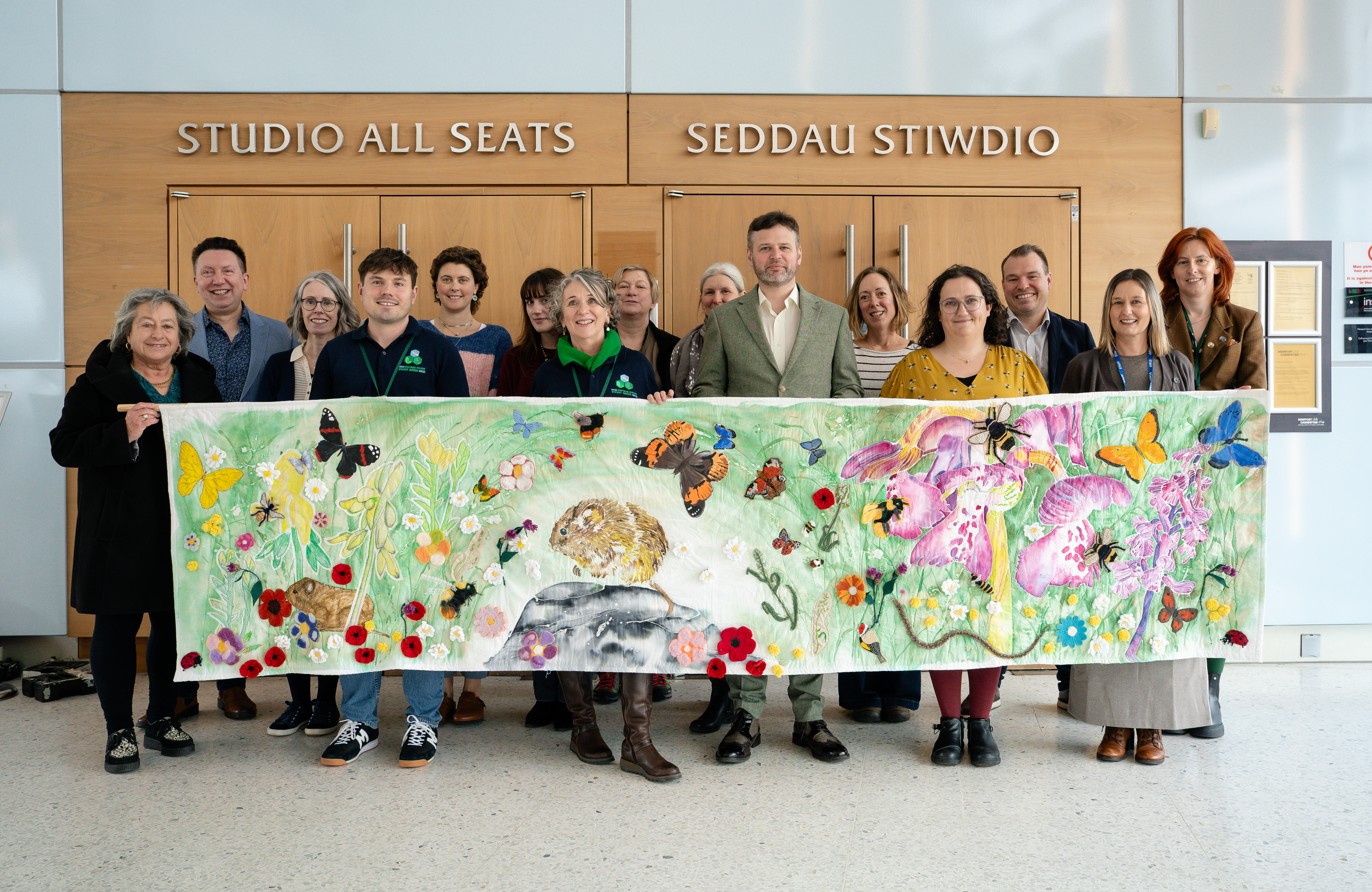
The BioTapestry is an ambitious 70-metre-long creation, created by community groups from all five Gwent authorities. Far from a traditional tapestry, it’s a dazzling mixed media masterpiece that bursts with colour, texture, and life, capturing the habitats and species that make Gwent truly unique.
Across 20 striking panels, four from each local authority, the BioTapestry journeys through woodland, aquatic, grassland, and urban landscapes. Each panel shines a spotlight on iconic species including Atlantic salmon, hawfinches, hedgehogs, marsh fritillary butterflies, and white‑clawed crayfish, among many others.
Together, these panels weave a powerful story about the diversity and importance of Gwent’s ecosystems — and the communities who care passionately about protecting them.
To celebrate the BioTapestry and the people behind it, The Gwent Green Grid hosted a special showcase event at The Riverfront on Friday 6 March. The event brought together artists, volunteers, and community groups who generously dedicated their time and creativity to bringing the artwork to life.
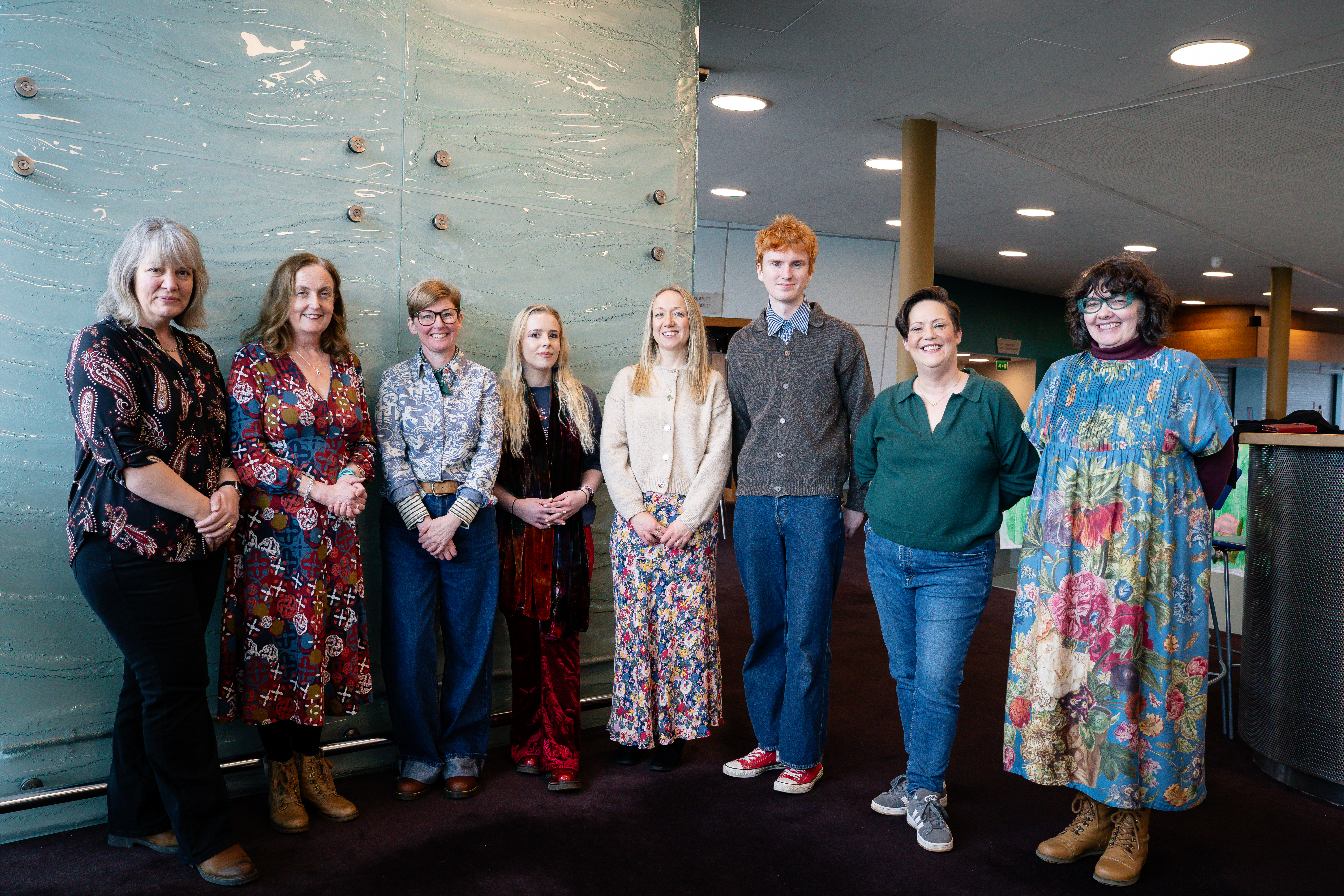
TV wildlife presenter Dr Rhys Jones was the guest speaker at the event where all participants were photographed with their panel.
Helen Kent, Sian Burns, Louise Soale, Jordie Sallis, Beth Lewis, Evan Elisas, Cath Cains and Lousie Tolcher-Goldwyn
Cllr Catrin Maby, Monmouthshire County Council Cabinet Member for Climate Change and the Environment, said: “This fantastic artwork is testament to the hard work, skills, teamwork and enthusiasm of those who participated in its creation.
“It is a stunning representation of our natural world, which helps to highlight how important it is that we protect it as best we can.”
The project has been funded by the National Lottery Heritage Fund and Welsh Government through the Nature Networks Programme and supported by the Shared Prosperity Fund from UK Government.
For more information on the BioTapestry, visit: monlife.co.uk/outdoor/green-infrastructure/gwent-green-grid-partnership/biotapestry
A new exhibition has recently opened at Chepstow Museum tracing the ever‑changing rhythms and moods of the River Wye from its source at Pumlumon to its tidal meeting with the Severn at Chepstow.
Flow / Llif – The River Wye from Source to Sea is a major new exhibition by Welsh artist Lucy Burden.
A private viewing was held on 19 February, where guests enjoyed an evening of lively and thoughtful conversations sparked by Burden’s evocative landscapes.
Burden’s work connects with the Museum’s Wye Tour Gallery, inviting visitors to consider how artists over the centuries have responded to the Wye’s dramatic scenery. A short film by Steve Bennett, created during the Wye Valley Walk’s 50th Anniversary events led by Ruth Waycott, accompanies the exhibition.
Attending the event, Monmouthshire County Council’s Chair Cllr Peter Strong said: “Visitors have been travelling to this valley for centuries, seeking the picturesque turn in the river or the sudden drama of a cliff. Lucy’s paintings carry that lineage forward — not as a repetition, but as a modern reading.”
The exhibition has been developed with support from Wye Valley National Landscape, the Wye Valley Walk Partnership, and Monmouthshire Museums. After Chepstow, Flow / Llif will travel to The Pavilion, Castle Grounds, Hereford with additional works expanding the series.
Monmouthshire County Council Cabinet Member for Rural Affairs, Housing and Tourism, Cllr Sara Burch, said: “The Wye Valley has been drawing tourists and artists to our region for years.
“I would urge all those who can to visit this exhibition to see the beauty of the Wye captured quite magnificently.
“The exhibition is just another wonderful reason to visit Chepstow Museum, the town as a whole and Monmouthshire itself.”
Flow/Llif will be on display at Chepstow Museum until 9 June.
Monmouthshire County Council is delighted to announce a significant upgrade to the all‑weather pitch at Caldicot Leisure Centre, marking an exciting step forward for community sport in the area.
The project will see the current 2G synthetic surface replaced with a state‑of‑the‑art 3G pitch, delivering a safer, more durable, and high‑quality playing experience for schools, clubs and local residents.
This investment forms part of the council’s ongoing commitment to enhancing sport and play facilities, creating vibrant and accessible spaces that inspire participation and enjoyment for all ages.
The development is being made possible thanks to the support of key funding partners: the Cymru Football Foundation, Sport Wales, and contributions from the education sector.
To secure this investment, the project demonstrates a clear community and school need, guaranteed community access outside of school hours, and compliance with FAW/FIFA‑approved 3G technical standards.
A total of £456,000 has been secured for the refurbishment, including:
· £206,000 from the Cymru Football Foundation’s Fit‑For‑Future Facilities Programme, supporting the growth of grassroots football across Wales.
· £150,000 from the Sport Wales Capital Grant, helping provide sustainable, modern and accessible sporting environments.
Construction is expected to begin this month, with completion targeted for April 2026.
Cllr Angela Sandles, Monmouthshire County Council’s Cabinet Member for Equalities and Engagement, said: “These upgraded facilities will be a huge boost to the town and beyond.
“The new pitch will be available for school pupils during curriculum hours, local football clubs and teams, community sports groups, and members of the public.
“It will also enable increased participation for women and girls in a variety of sports and will prove to be a fantastic asset for Caldicot and the wider area.”
Director at the Cymru Football Foundation, Aled Lewis, said: “The Cymru Football Foundation is committed to investing in facilities that inspire communities. This project at Caldicot Leisure Centre will be essential for the growth of football in the local area.
“A huge thank you to our partners U.K Government and Sport Wales in supporting the development of this new facility – through the power of collaboration, we’re making huge strides in improving football facilities in Wales on and off the pitch.”
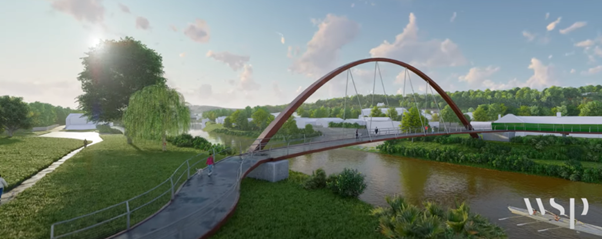
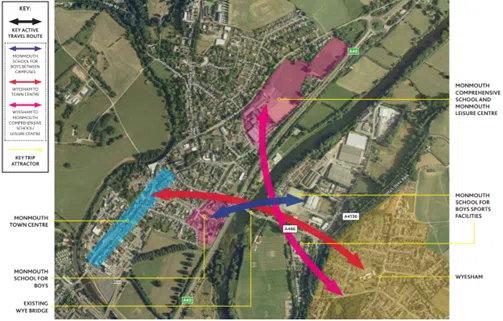
Monmouthshire County Council (MCC) is working on a strategic scheme to improve active travel provision between Monmouth and Wyesham. This scheme focuses on providing a new walking and cycling bridge, upstream of the Wye Bridge between Monmouth and Wyesham, with onwards routes to the centre of both communities. The new bridge will provide a main route to Monmouth town centre and secondary school for Wyesham residents, and across the Monmouth School campus, split between both sides of the river.
Image: Monmouth & Wyesham key active travel flows (route user survey 2019)
What is the change we expect to see?
Improved connectivity and accessibility for active travel trips in and between Monmouth and Wyesham
Improve actual and perceived levels of personal safety and security when walking and cycling
Promotion of sustainable travel as attractive and safe in Monmouth and Wyesham.
Identified issues for active travel between Monmouth and Wyesham
Monmouth’s historic Wye Bridge provides a vital link between Wyesham, the Forest of Dean and the Wye Valley, and the town of Monmouth and the A40, a strategic road link between South Wales and England’s Midlands. The roads that feed traffic across the bridge carry heavy vehicles and high traffic volumes, as this is the main river crossing for several miles in either direction. This impacts on routes either side of the bridge, and the scheme was eventually split into three sections, the Monmouth Wye Active Travel Bridge, Old Dixton Road and Wyesham Links.
The community of Wyesham suffers restricted and difficult access to the secondary school, shops and services in Monmouth because the existing infrastructure around the A40 and the River Wye effectively cut it off. The bridge is used daily by residents of Monmouth, Wyesham and the Forest of Dean to commute to work or school on both sides of the river. Local trips by vehicle must use a circuitous one-way system, in a network that is vulnerable to congestion, but the historic bridge does not provide a safe or pleasant route for short trips without a car, especially for those using wheelchairs and mobility scooters or walking with pushchairs or small children. Cycling is not permitted on the footway, but there is no provision for cyclists to transition between the underpass path and the road where needed.
The Wye Bridge in Monmouth is a Grade II listed building, protected for its historical and architectural significance. An assessment of the road bridge found it unsuitable as an active travel route. The pavement is narrow and heavy goods vehicles often mount the pavement due to the narrow carriageway, and its structure cannot be altered due to its heritage status.
Image: Heavy vehicle traffic on the Wye Bridge in close proximity to school children
The full scheme looks to:
Construct a single-span 3.8m-wide walking and cycling bridge upstream of the existing Wye bridge with low-level lighting
Provide connecting routes in Wyesham and Old Dixton Road on either side of the active travel bridge
Provide a coherent, direct, safe, comfortable, and attractive walking and cycling link between Wyesham and Monmouth
Positively impact actual and perceived pedestrian, cyclist, and wheelchair user’s safety along and across the study area
Ecology net gain
Monmouth Wye Active Travel Bridge
A separate pedestrian and cycle bridge over the River Wye in Monmouth was initially proposed as a recreational route. Following the Welsh Government’s Active Travel Act and recognition of this crossing’s function for active travel journeys as well as for recreation, the idea was developed under Monmouth Town Council’s Active Travel Group working party ‘The Bridge Group’, with stakeholders including Monmouth County Council, Monmouth School for Boys, Monmouth Comprehensive School, local Primary Schools, local rowing, cycling and walking clubs and Sustrans.
In 2019 a Weltag study was carried out to investigate the current issues and find potential solutions to them. The report suggested several options including, widening the current pavement, adding a cantilever footway to the existing bridge as well as a new walking and cycling bridge. The option of building a separate walking and cycling bridge upstream of the historic Wye bridge was selected as the best option to take forward based on scoring of the proposal’s potential positive impact on active travel and the local transport network, minimal negative impact during construction and on the nearby heritage bridge, value for money and deliverability.
Bridge scheme development
Image: Artists impression of Monmouth Wye Active Travel Crossing
Between 2020 and 2024, following the WelTAG study, MCC used Welsh Government’s Active Travel Fund to develop the design of the bridge and linking routes either side of the river, alongside the necessary planning permission, ecological studies and permissions, and land surveys as well as development of the Wyesham links and Old Dixton road schemes which form the onwards connections either side of the proposed bridge. Restricted funding and land issues has meant that progress has been slower than desired. In early 2024 the Wye Active Travel Bridge received planning permission with conditions.
A video of the proposed bridge can be seen here:
MCC used ATF Core Funding to maintain progress on this scheme in 2024-25. This included ecology surveys and monitoring, land negotiation, category II checks (independent examination of design) Early Contractor Involvement (ECI), and detailed design of the works and ‘pre-works’ (i.e. works needed to prepare the site, such as access routes and moving of utilities). The scheme has been put forward to the Cardiff Capitol Region’s Regional Transport Plan as one of Monmouthshire’s strategic Active Travel schemes.
Wyesham Links
Objectives of the Wyesham Links scheme
Provide a direct, coherent, comfortable and attractive walking and cycling network suitable for all users
Increase levels of sustainable access to education, employment health and other key services
Improve actual and perceived safety of vulnerable users
Increase the number of people walking and cycling between Wyesham and Monmouth town centre
Reduce car dependency and car use for short trips between Wyesham and Monmouth town centre through a modal shift
Reduce the negative impacts of transport on the natural and built environment
Identified Issues in Wyesham
High traffic volumes, with a significant proportion of heavy good vehicles, and high traffic speeds, related to the nearby dual carriageway and feeder roads, and lack of adequate provision for using alternative modes for short, local trips.
Lack of pedestrian crossing facilities and pinch points on the existing footway
Side road junctions are wide and require tightening of junction radii to reduce conflict with vulnerable road users
Dropped kerbs and tactile paving required at some side road junctions;
Lack of wayfinding and signage
Proposed Interventions – Wyesham Links
A series of studies of route usage and potential interventions in the Wyesham area led to the concept development of pedestrian only footway from the Mayhill Roundabout up the junction of Wyesham Road and Wyesham Avenue, with cycling provision to be made on road using the Quiet Streets principle, then, from Wyesham Avenue and Wyesham Road junction to Kymin View Primary School, a shared use facility utilising the potential generous footway widths along this section.
Image: Design concept plan for Wyesham Links scheme
Old Dixton Road scheme
Objectives of the Old Dixton Road scheme
The proposed active travel route will run from Monmouth Library along the A466 to where it joins with Old Dixton Road, east along old Dixton Road for circa 250m and thereafter heading through the subway under the A40 to Monmouth Rowing Club where it will join with an existing path that runs north east alongside the river.
Increase the number of active travellers in Monmouth by making the route along Old Dixton Road and from the Wye bank better suited and more attractive to pedestrians and cyclists
Improvements at key junctions and crossing points
Deliver environmental improvements for the area by encouraging mode shift from cars to active modes, reducing vehicle waiting, improving vehicle flows and infrastructure to make the route more attractive and reducing car traffic
Identified Issues in Old Dixton Road/ around Monmouth Comprehensive School
Congested, historic road infrastructure and narrow footways create an unattractive and incoherent route for active travel. Improvements have been made to the area with the construction of the new school and leisure centre buildings, but poor footway provision and restricted widths near the Nags Head pub still create issues for active travel along the route.
Image: Old Dixton Road Scheme route
Proposed Interventions – Old Dixton Road
The scheme proposes small-scale improvements to active travel provision along Old Dixton Road from Monmouth Library and Hub to the underpass to the River Wye, to maintain and increase levels of walking and cycling to the Comprehensive school, Leisure centre, other businesses and community facilities served by the route.
For more information on MCC’s work on active travel in Monmouth, please visit Monmouth – Monlife
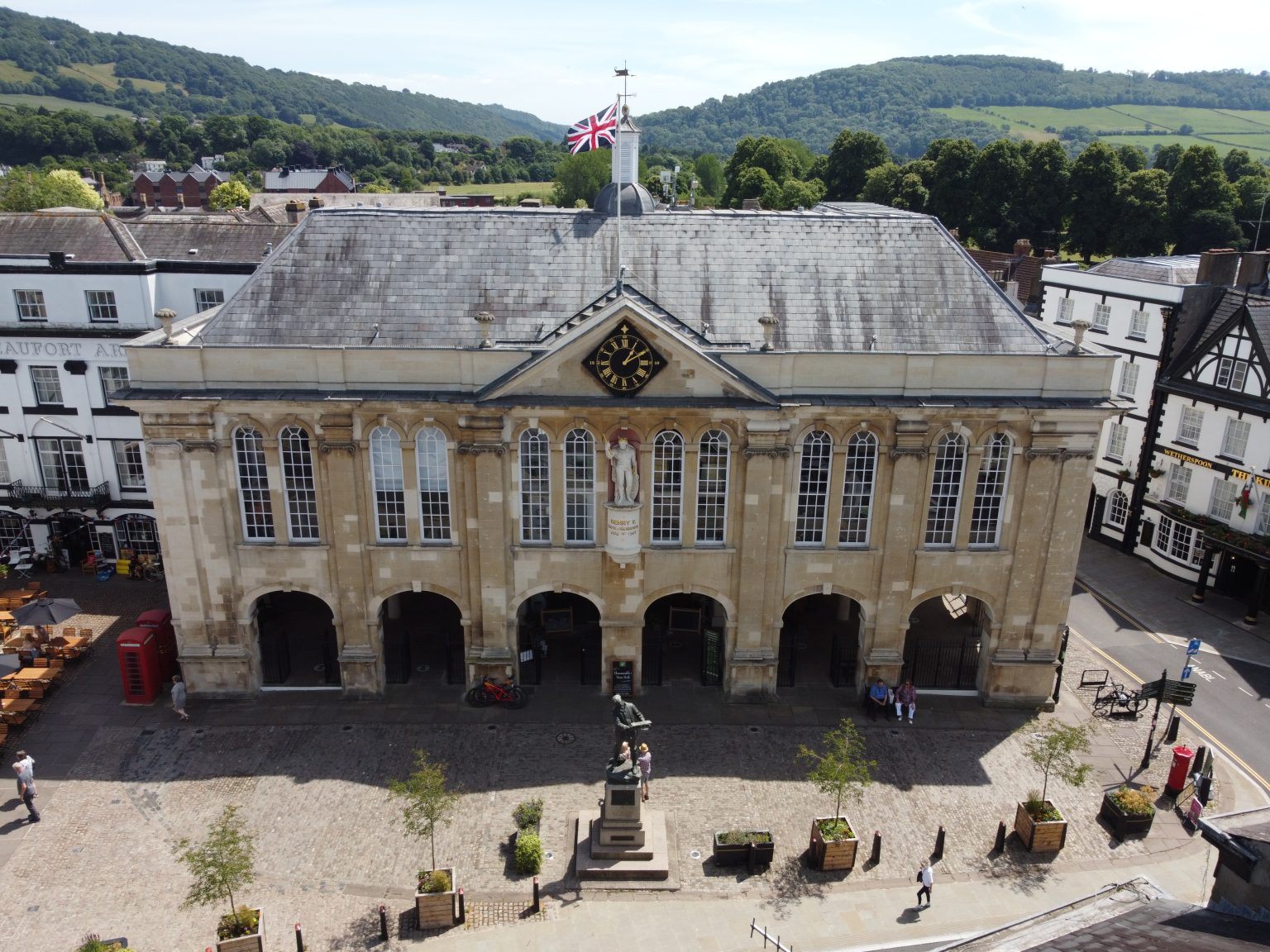
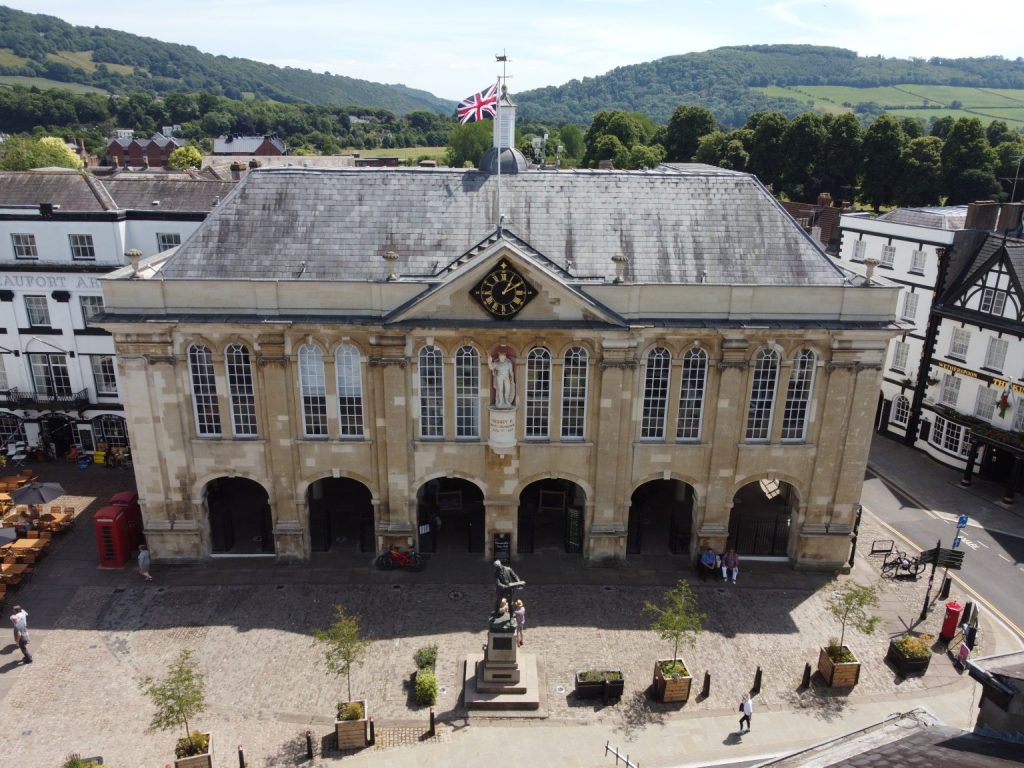
Monmouthshire County Council will commence work on enhancing the Shire Hall in Monmouth.
To bring this ambitious vision to fruition, Shire Hall will temporarily close to the public from 20 December 2025, to allow essential work to commence. The building is expected to remain closed to the public until early 2027.
Supported by a £2.8 million investment, including £1.5 million from the National Heritage Lottery Fund, this project will see Shire Hall revitalised as an inspiring community museum and dynamic learning hub.
What’s Changing?
The revitalised Shire Hall will offer innovative displays telling Monmouth’s story, flexible learning spaces, visible object storage, and improved conditions for our internationally significant collections.
Upgrades to the heating system and energy efficiency will enhance environmental sustainability, reducing the carbon footprint of this Grade I listed building.
Redesigned retail spaces and a renewed visitor welcome will improve the experience for all, supporting Monmouth’s regeneration and the Destination Management Plan.
The project will remove physical, financial, and social barriers to access, ensuring Shire Hall is a welcoming space for everyone.
Extensive consultation with a wide range of communities, including ethnic minority groups and individuals living with dementia, has shaped the project.
Initiatives such as the Dynamic Collections and Anti-Racist Wales projects have already resulted in co-curated exhibitions and more inclusive museum experiences. A Citizens Panel will continue to guide future exhibitions and events, ensuring ongoing community representation.
Monmouthshire County Council’s Cabinet Member for Rural Affairs, Housing & Tourism, Cllr Sara Burch, said: “The Shire Hall has served Monmouth in many ways over its history, most recently as a place for people affected by flooding to come for support. We look forward to its future as an exciting community museum, telling the many stories of Monmouth and showing our internationally important collections.”
While Shire Hall is closed, we will keep the community informed and engaged through regular updates and behind-the-scenes insights into the transformation.
We look forward to welcoming visitors back in early 2027 to a Shire Hall that is more vibrant, inclusive, and sustainable than ever before.